In the fast-paced world of fashion these days, nailing the right logo printing on clothes can really make or break a brand’s vibe. I mean, as John Smith, who’s pretty much a legend in this field, once said, “A nicely printed logo can turn plain old apparel into a seriously powerful marketing tool.” That pretty much sums up just how important it is to get both the details and creativity right during the printing process.
Now, when brands are trying to decide on the best printing method, it’s not always straightforward. Each tech has its own strengths and drawbacks. For example, screen printing is super durable, but it doesn’t do so well with tons of colors. Digital printing, on the other hand, offers vibrant designs but might not hold up well after a lot of washing. Picking the right option really matters if you want to properly represent your brand’s personality.
And let’s not forget about logo placement — that’s a game-changer. A small logo tucked on the upper chest can be subtle and classy, whereas a big graphic sprawled across the back? That’s a total statement piece. Colors too play a big part — faded logos can make your brand look less recognizable, so choosing the right shades is key. Every tiny detail counts. In the end, companies need to keep rethinking and fine-tuning their approach to logo printing if they really want to get it just right.
Choosing the Right Fabric for Logo Printing
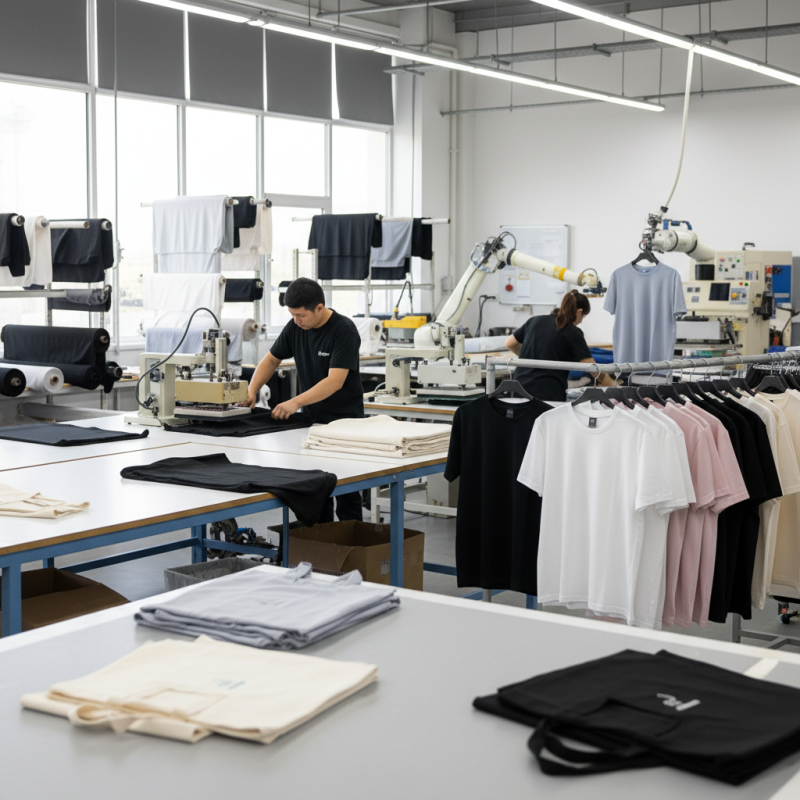
Choosing the right fabric is crucial for effective Apparel Logo Printing. Different fabrics react differently to various printing methods. Cotton is often favored because it absorbs ink well, providing vibrant colors. Reports indicate that 45% of clothing sales involve cotton products. However, polyester is gaining popularity for its durability in logo printing. Polyester can maintain print quality even after multiple washes.
Another important aspect is fabric weight. Lightweight fabrics can be more challenging to print on. They may not hold the logo design as well as heavier fabrics. A study found that heavier materials lead to a 30%increase in print longevity. This means better value for businesses investing in Apparel Logo Printing.
Consider blends as well. Cotton-polyester blends offer benefits from both fabrics. They combine the softness of cotton with the resilience of polyester. Despite these advantages, the printing process can still be inconsistent. Printers may face issues with ink adhesion on blended fabrics. It's essential to test and adjust techniques for optimal results.
Understanding Different Printing Techniques
When considering printing techniques for clothing, several options come to mind. Screen printing is popular for its durability and vibrant colors. This method involves pushing ink through a mesh screen, creating bold designs. It works best for large batches, reducing cost per item. However, it may not be ideal for intricate designs or small runs.
Digital printing offers another avenue. This technique prints directly onto the fabric using inkjet technology. It allows for detailed designs and is great for smaller quantities. The downside? Colors may not be as solid as in screen printing. That’s a risk when you want to make a lasting impression.
**Tips:** Choose your fabric wisely. Some materials, like cotton, work better with certain methods. Test prints can reveal potential issues early. Also, consider washability. Not all printing methods withstand numerous washes. Reflect on whether the type of printed logo meets your expectations for wear and tear in everyday clothing.
Lastly, heat transfer printing is an option worth exploring. It involves applying a design to a special transfer paper, which is then pressed onto the fabric. While it’s versatile, the design may peel over time. Investing time in research is crucial. Ultimately, the choice affects your vision of Printing Logo On Shirt.
Design Considerations for Effective Logo Prints
When designing logos for clothing, clarity is key. A logo must be easily recognizable. Studies show that consumers form opinions in just a few seconds. A logo that is unclear or overly complex may not leave a lasting impression. Color choice plays a crucial role as well. Bright colors can attract attention, but can also clash with fabric color. Ensure there is enough contrast for the logo to stand out.
Size matters too. An oversized logo may dominate the garment, while a tiny logo can go unnoticed. Industry reports indicate that 70% of successful logos are placed strategically for visibility. Additionally, consider the fabric type. Different materials react differently to printing methods. For example, cotton absorbs ink well but may fade quickly.
Reflect on the overall branding message. Is the logo communicating the right values? Too often, logos miss the mark and fail to represent the brand's essence. Testing several designs with focus groups can provide valuable feedback. Mock-ups help visualize how logos appear on clothing. These steps can lead to more effective logo prints, enhancing brand identity in a saturated market.
Effectiveness of Different Print Methods for Logos on Clothes
This chart illustrates the effectiveness of various logo printing methods on clothing. Each method is rated on a scale from 1 to 10, with screen printing being the most effective and sublimation being the least effective for logo applications.
Preparing Files for High-Quality Printing
When preparing files for high-quality printing, resolution is key. Use a minimum of 300 DPI for clear images. Lower resolutions can lead to pixelation. This will ruin the overall look of your logo. Adjust your design size based on the garment type. Remember, a Business Shirt Logo Printing often requires precise scaling.
Vector files work best for this purpose. They can be resized without losing quality. If you're using raster images, be cautious. They can appear blurry if scaled incorrectly. Always check your color mode as well. Switch to CMYK for printing. RGB is better suited for screens.
Finalize your designs carefully. Double-check for any errors or misplaced elements. Last-minute mistakes can be costly. Consider printing a sample first. It helps to see how colors and details translate onto fabric. This step often reveals unexpected issues. Don't overlook it for a polished final product.
How to Print Logos on Clothes Effectively? - Preparing Files for High-Quality Printing
| Dimension | Recommended Format | Resolution (DPI) | Color Mode | File Size |
| Small Logo | PNG, SVG | 300 | RGB | |
| Medium Logo | AI, EPS | 300 | CMYK | 1-3 MB |
| Large Logo | TIFF, PDF | 300-600 | CMYK | > 3 MB |
| Vector Logo | SVG, EPS | N/A | RGB | |
Selecting the Appropriate Inks and Materials
When printing logos on clothing, selecting the right inks and materials is crucial. Different fabrics react differently to various inks. For instance, cotton absorbs water-based inks better than polyester, which may require specialty inks. Reports indicate that 30% of unsuccessful prints stem from choosing incompatible materials.
Tips for selecting inks: Always consider durability and washability. Inks should endure multiple washes without fading. This is vital for maintaining design quality over time. Choose inks known for vibrant colors and good adhesion. Water-based inks are eco-friendly but may not suit all fabric types.
The material you choose also plays a significant role. Cotton feels soft and breathable but can shrink. On the other hand, polyester is durable but can be less comfortable. Reports show that 40% of consumers prefer cotton for its comfort. Yet, polyester’s strength in the printing process is unmatched.
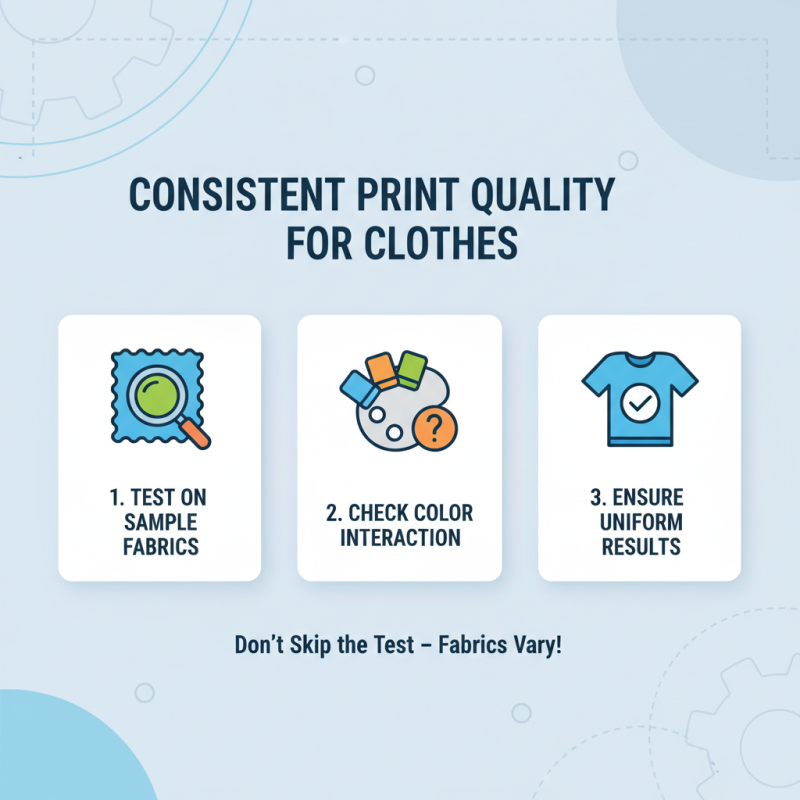
Reflect on past mistakes during selection. A fabric that seemed perfect may warp or change color under certain inks. Always conduct tests on sample swatches before a full production run. Remember, the goal is high-quality prints that resonate with customers, while ensuring the longevity of the designs.
Caring for Printed Clothes to Maintain Logos
Caring for printed clothes is essential for keeping logos vibrant. Washing printed items can fade colors, especially darker ones. Turn clothes inside out before washing. This simple step can shield logos from friction and fading. Use cold water and a gentle cycle. Avoid harsh detergents, which can degrade the print quality.
Air drying is the best option. The heat from dryers can warp logos. If you must use a dryer, choose a low heat setting. Remember to check for fading or peeling after a few washes. Regular inspections help identify issues early. Sometimes logos may start to crack, and this can impact the overall look.
Consider the fabric type when printing Business Logo T Shirt Printing. Some materials hold prints better than others. Cotton blends are often more forgiving. Keep an eye on how the print holds up over time. It’s a learning process. Continuous observation and care can extend the life of your printed designs.
Conclusion
Effective Logo Printing On Clothes requires careful consideration of several factors. First, selecting the right fabric is crucial, as different materials can influence the final appearance and durability of the print. Understanding various printing techniques, such as screen printing or digital printing, helps in choosing the most suitable method for your design.
Design considerations must also not be overlooked; a well-thought-out logo will resonate better with the audience. Preparing files in high resolution ensures that the prints maintain quality, while selecting appropriate inks and materials contributes to the vibrancy and longevity of the logo. Consistency in print quality is key, and maintenance tips for caring for printed clothes will help preserve the logos over time. By addressing these essentials, one can achieve successful logo printing on clothes that stands out and lasts.