As 2025 gets closer, it’s pretty clear that the fashion world is still shifting and changing. One of the biggest trends making waves right now? Logo Printing On Clothes. According to a recent report from MarketWatch, the global market for logo printing is expected to grow at an 8.2% CAGR through to 2025. A big reason behind this? People are craving more personalized, unique clothing. This trend isn’t just about brands anymore; it’s a reflection of how consumers want to express themselves.
Bob Johnson, a well-known expert in fabric printing tech, puts it simply: "Logo printing on clothes isn’t just for brand recognition anymore; it’s become a way for people to show who they are." As logos become more than just symbols — turning into personal statements — brands are pouring resources into more innovative printing methods and eco-friendly materials. Everyone’s after those one-of-a-kind, expressive, and sustainable fashion pieces.
In this article, we’ll jump into the top logo printing trends for 2025 — from cutting-edge printing techniques to more eco-conscious practices. Whether you’re a business or just someone interested in fashion, understanding these trends will be key as the industry heads into the future."

As we look ahead to 2025, the landscape of logo printing on apparel is set to be transformed by emerging technologies that enhance customization, efficiency, and sustainability. According to recent industry reports, approximately 75% of consumers prefer brands that utilize sustainable printing practices, presenting a significant opportunity for companies to invest in eco-friendly materials and processes. Innovations such as digital printing and direct-to-garment (DTG) techniques are paving the way for intricate designs and quicker turnaround times, making it easier for brands to respond swiftly to changing consumer preferences.
Moreover, the integration of augmented reality (AR) in the design process is expected to revolutionize how logos are created and visualized. Designers can now use AR tools to see a virtual representation of the print on garments before actual production, minimizing waste and inaccuracies. Moreover, advancements in textile inks, particularly those that are biodegradable or made from renewable resources, will not only appeal to environmentally-conscious consumers but also comply with increasing regulations regarding chemical usage in production.
Tips: When considering logo printing options for your apparel line in 2025, prioritize sustainable materials and stay updated on the latest printing technologies to ensure quality and efficiency. Additionally, experimenting with AR tools can enhance your design process, allowing for more creative and accurate representations that resonate with your target audience.
| Trend | Description | Technology Used | Market Impact |
|---|---|---|---|
| Sustainable Inks | Inks made from organic materials that are biodegradable and less toxic. | Eco-Friendly Printing Techniques | Growing demand for eco-conscious apparel among consumers. |
| 3D Printing | Creating logos with a three-dimensional effect for enhanced visual appeal. | Additive Manufacturing Technologies | Unique product differentiation in a competitive market. |
| Personalization | Ability for consumers to customize logos on apparel, enhancing engagement. | Digital Printing and Online Design Tools | Increase in consumer satisfaction and product loyalty. |
| Augmented Reality (AR) | Using AR technology to visualize logos on apparel before purchase. | Smartphone Apps and AR Tools | Improved shopping experience driving sales growth. |
| Advanced Fabrics | Fabrics that can change color or pattern based on stimuli, allowing dynamic logo display. | Smart Textiles Technology | Expanding the possibilities for branding and fashion fusion. |
As the fashion industry evolves, the emphasis on sustainability is shaping the future of logo printing on clothing. In 2025, eco-friendly practices will not only be a trend; they will be a necessity for brands looking to connect with conscious consumers. Embracing sustainable materials, such as organic cotton or recycled polyester, can significantly reduce environmental impact, while innovative printing techniques like water-based inks and digital printing further enhance eco-friendliness.
When transitioning to sustainable logo printing, companies can follow a few key tips. First, conduct a thorough audit of existing printing methods to identify areas where waste can be minimized. Implementing a print-on-demand model can reduce excess inventory and associated waste, allowing brands to print items only as needed. Additionally, collaborating with suppliers who prioritize sustainability can help ensure that the entire supply chain aligns with eco-friendly principles.
Incorporating biodegradable or compostable packaging is another essential step. By eliminating plastic packaging and opting for sustainable alternatives, brands can significantly lessen their ecological footprint. As consumer awareness grows, brands that authentically commit to sustainable practices will not only foster loyalty but set themselves apart in a competitive market.
As we look toward 2025, the world of fashion is witnessing a transformative shift in logo design that reflects contemporary aesthetics and cultural sensibilities. Emphasizing minimalism, many brands are opting for clean and understated logos that enhance rather than overshadow the garments they adorn. This approach not only aligns with the growing preference for sustainable and versatile clothing but also appeals to a generation that values subtlety over ostentation. Expect to see logos crafted in soft monochromes and earthy tones, serving as an accent rather than a focal point, promoting a sense of harmony in outfitting.
In addition to minimalism, playful and abstract designs are emerging as another prominent trend. Brands are experimenting with unconventional shapes, vibrant colors, and bold typography to create logos that capture attention and convey a youthful spirit. This shift towards creativity allows for more expressive statements on clothing, reflecting individuality and personal style. Furthermore, the incorporation of local cultural motifs and artistic expressions into logo designs is becoming increasingly popular, celebrating heritage while appealing to a global audience. As these trends evolve throughout 2025, logo printing on clothes continues to merge artistry with fashion, creating a dynamic landscape for self-expression.
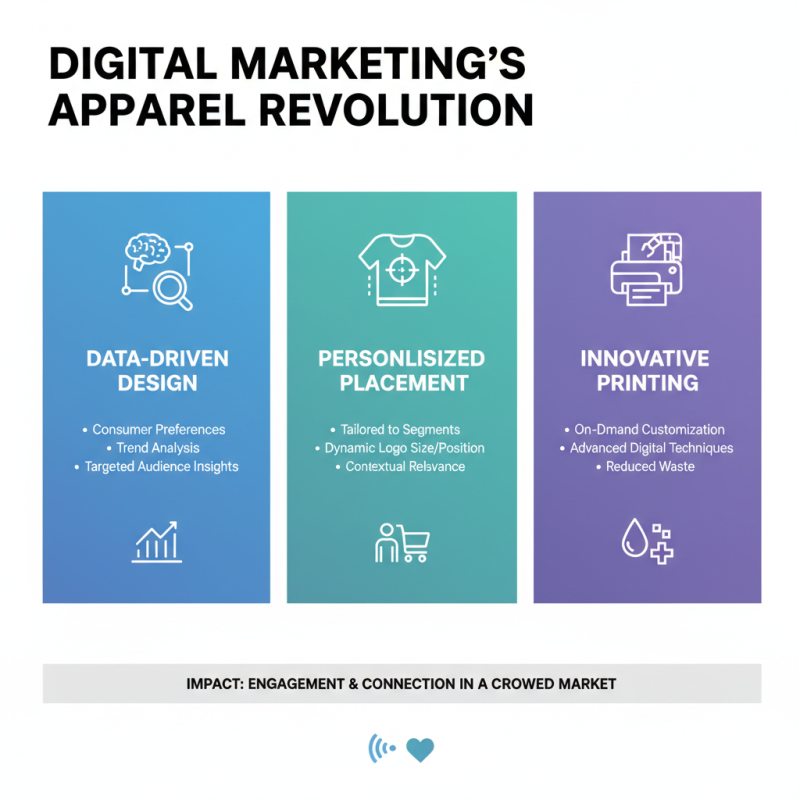
The impact of digital marketing on logo placement and printing techniques has transformed how brands approach their apparel design. Digital platforms allow for precise targeting and personalized marketing, which has influenced the way logos are integrated into clothing. Brands can now gather data on consumer preferences and trends, enabling them to design logos that resonate more effectively with their audience. This data-driven approach ensures that logo placements are not only visually appealing but also tailored to capture the customers' attention in a crowded market.
Moreover, the evolution of digital printing technology has significantly enhanced the quality and versatility of logo application. Methods such as direct-to-garment (DTG) printing and sublimation have become increasingly popular, allowing for intricate designs and vibrant colors. With digital marketing promoting lifestyle imagery and social media engagement, brands can experiment with innovative designs that reflect their identity while appealing to consumer aesthetics. As a result, the strategies behind logo printing on clothes are evolving rapidly, merging creativity with analytical insights to establish a strong presence in the fashion industry for 2025 and beyond.
In 2025, consumer preferences for logo visibility on apparel are expected to undergo significant shifts influenced by various market trends. A report from Market Research Future indicates that the global custom apparel market is projected to reach $400 billion by 2025, primarily driven by personalization and unique branding strategies. Consumers increasingly favor clothing that allows for self-expression, with logos playing a pivotal role in this identity formation. Notably, data from Statista shows that 60% of shoppers are more likely to buy items featuring logos that resonate with their personal style rather than just brand prominence.
As sustainability continues to dominate consumer choices, logo visibility is evolving. A survey conducted by The Business Research Company revealed that 44% of consumers prioritize eco-friendly brands, prompting apparel manufacturers to explore sustainable printing methods that still maintain impactful logo visibility. This trend illustrates a new paradigm where logos not only represent a brand but also the commitment to social and environmental responsibility, appealing to the modern consumer's values. Therefore, brands that adapt to these preferences by focusing on subtle, yet significant logo designs are likely to capture a growing segment of the market that seeks authenticity and connection in their apparel.
In the ever-evolving world of fashion, influencers have emerged as pivotal players shaping logo printing trends on clothing for 2025. Their unique ability to connect with diverse audiences allows them to curate styles that resonate deeply with their followers. As these personalities collaborate with designers, they bring fresh perspectives to logo aesthetics, infusing personal stories and cultural nuances into the designs. This collaborative design approach not only enhances the visual appeal of clothing but also fosters a sense of community among consumers who identify with the influencers’ lifestyles.
Moreover, influencers are instrumental in promoting sustainable practices within logo fashion trends. By endorsing eco-friendly materials and ethical manufacturing processes, they are raising awareness and driving demand for more responsible fashion choices. This trend is evident in the shift towards minimalistic logos that emphasize quality over quantity, appealing to consumers who value sustainability. As fashion continues to mirror societal values, the role of influencers in championing meaningful and authentic logo designs will only grow, making them a key influence in contemporary wardrobe choices.
As we venture into 2025, the landscape of logo printing on clothing is poised for significant transformation, driven by cutting-edge technologies and innovative techniques. One of the most exciting advancements is the integration of augmented reality (AR) into print design. AR allows customers to interact with logos in an immersive way, enabling them to see how a printed design would look in various contexts before making a purchase. This interactivity not only enhances customer engagement but also introduces a new layer of personalization, as consumers can visualize tailored designs that resonate with their style and preferences.
Another trend to watch is the growing incorporation of sustainable printing methods. Eco-friendly inks and materials are becoming increasingly important as consumers demand products that align with their values. Techniques such as water-based printing and digital direct-to-garment (DTG) printing are gaining traction, reducing waste and minimizing the environmental impact of logo printing. Additionally, advancements in bioprinting technology may soon allow for the use of organic materials to create vibrant, long-lasting logos without compromising the planet's health. As we move forward, the convergence of technology and sustainability will redefine logo printing, creating stylish and conscientious apparel that appeals to the modern consumer's sensibilities.
: Influencers are pivotal in shaping logo fashion trends by connecting with diverse audiences, curating styles that resonate with their followers, and collaborating with designers to bring fresh perspectives to logo aesthetics.
Influencers promote sustainable practices by endorsing eco-friendly materials and ethical manufacturing processes, raising awareness, and driving demand for responsible fashion choices, often emphasizing minimalistic logos that prioritize quality.
AR is transforming logo printing by allowing customers to interact with logos in an immersive way, enabling them to visualize how designs would look in different contexts before making a purchase, enhancing engagement and personalization.
Popular sustainable printing methods include water-based printing and digital direct-to-garment (DTG) printing, which reduce waste and minimize environmental impact while meeting consumer demand for eco-friendly products.
The trend toward minimalistic logos emphasizes quality over quantity, appealing to consumers who value sustainability and authenticity, and aligns with the growing emphasis on responsible consumption in fashion.
Future advancements may include the use of eco-friendly inks, sustainable materials, and bioprinting technology to create vibrant, long-lasting logos while minimizing environmental impact, reflecting the convergence of technology and sustainability.
Influencer-led fashion fosters a sense of community among consumers who identify with the influencers’ lifestyles, enhancing the overall appeal of the logo designs and encouraging shared values within their follower base.
Customer engagement is enhanced as innovative logo designs, particularly through augmented reality, allow consumers to visualize tailored designs that resonate with their personal style and preferences, leading to a more interactive shopping experience.
Contemporary wardrobe choices reflect values such as sustainability, authenticity, and personal connection through the adoption of meaningful and responsible logo designs championed by influencers.
The evolving fashion landscape encourages more collaboration between influencers and designers, fostering innovative logo aesthetics that incorporate personal stories and cultural nuances, ultimately redefining style trends for consumers.
As we look toward 2025, the landscape of logo printing on clothes is poised for transformative changes driven by emerging technologies and sustainable practices. Innovations in printing techniques will enable higher-quality and more eco-friendly logo applications, attracting consumers who prioritize environmentally conscious fashion. Alongside these advancements, popular styles and aesthetics in logo design are evolving, reflecting contemporary trends that resonate with fashion enthusiasts.
Additionally, the impact of digital marketing is reshaping how logos are placed and perceived on apparel, resulting in strategic visibility that aligns with consumer preferences. Influencers are playing an increasingly vital role in collaborative designs, further amplifying the trends surrounding logo visibility. As we anticipate future innovations in logo printing technology, it is clear that the intersection of creativity, sustainability, and consumer engagement will define the future of logo printing on clothes.