inquiry
Inquiry
Form loading...
0%

In the world of fashion and branding, putting your logo on clothes has really become a key move for businesses wanting to boost their visibility and get people to recognize their brand. Hey, did you know that, according to Allied Market Research, the global market for custom apparel is expected to hit around $10 billion by 2025? A big chunk of that growth is driven by folks craving personalized and branded clothing. Using logo printing isn’t just about marketing — it’s also about creating a sense of community with customers, making it a crucial part of any solid branding plan.

The ways we print logos have come a long way. These days, digital printing, screen printing, and embroidery are the go-to methods. From what Statista says, screen printing still rules the roost, grabbing over 30% of the market because it’s great for producing high-quality designs on a large scale. But as tech keeps evolving, it’s super important for brands to stay in the loop with new printing tech and what customers actually want. When you get the hang of printing logos on clothing, you’re more likely to leave a lasting impression and build real loyalty — which ultimately helps boost sales and sets your brand up for long-term success.
How to Effectively Print Logos on Clothes for Your Brand Success

Understanding the Importance of Logo Printing for Brand Identity

How to Effectively Print Logos on Clothes for Your Brand Success

In today's competitive market, establishing a strong brand identity is crucial for businesses, and logo printing on clothing plays a pivotal role in that process. A well-designed logo serves as a visual representation of a brand's values, mission, and personality, making it an essential asset in branding strategies. Studies show that brands with consistent presentation across all platforms can increase revenue by up to 23%, underscoring the importance of maintaining a cohesive brand image through effective logo placement on merchandise.

When considering how to incorporate your logo into clothing, it’s vital to choose the right printing technique that aligns with your brand ethos. Techniques such as screen printing and embroidery not only affect the durability of the logo but also influence the overall perception of quality. For instance, while screen printing is cost-effective for large runs, embroidery offers a prestigious look for premium items. Therefore, investing in suitable materials and printing processes can amplify brand recognition and customer loyalty.

**Tips:**
1. Ensure your logo is scalable and versatile so that it retains clarity in different sizes and styles of clothing.
2. Focus on color choice; 85% of consumers make purchasing decisions based on color, so select hues that resonate with your brand identity.
3. Experiment with placement; logos on the left chest, sleeves, or back can evoke different feelings and responses from your audience, impacting their engagement with your brand.

Choosing the Right Fabric for Effective Logo Printing

When it comes to successfully printing logos on clothing, the choice of fabric plays a critical role in achieving the desired outcome. Different fabrics can interact uniquely with printing methods, affecting the vibrancy and durability of the printed logo. According to a report by Smithers Pira, approximately 35% of textile printing is conducted on cotton fabrics, which are favored for their softness and print-receptivity. However, the preferred fabric for logo printing often varies based on the intended use of the garment. For sportswear, for instance, polyester is more commonly used due to its moisture-wicking properties and ability to retain vibrant colors when printed.

Choosing the right fabric also involves understanding the printing techniques to be employed. For example, direct-to-garment (DTG) printing works exceptionally well on smooth, cotton-rich fabrics, whereas screen printing is versatile and can be effectively executed on a range of materials, including blends that combine polyester and cotton. A joint study by the Textile Industry Association notes that the longevity of printed logos can be increased significantly with the right fabric—up to 60% longer lifespan when using high-quality synthetic blends compared to standard cotton. Prioritizing fabric selection aligned with the desired printing process is essential for brands looking to enhance their presence and ensure their logos maintain clarity and appeal over time.

How to Effectively Print Logos on Clothes for Your Brand Success

Fabric Type Print Method Durability Best for
Cotton Screen Printing High T-Shirts, Hoodies
Polyester Heat Transfer Medium Sportswear, Jackets
Blend (Cotton/Polyester) Direct to Garment (DTG) High Casual Wear
Nylon Sublimation Medium Athletic Wear
Canvas Embroidery Very High Bags, Caps

Analyzing Different Printing Techniques for Clothing Logos

How to Effectively Print Logos on Clothes for Your Brand Success

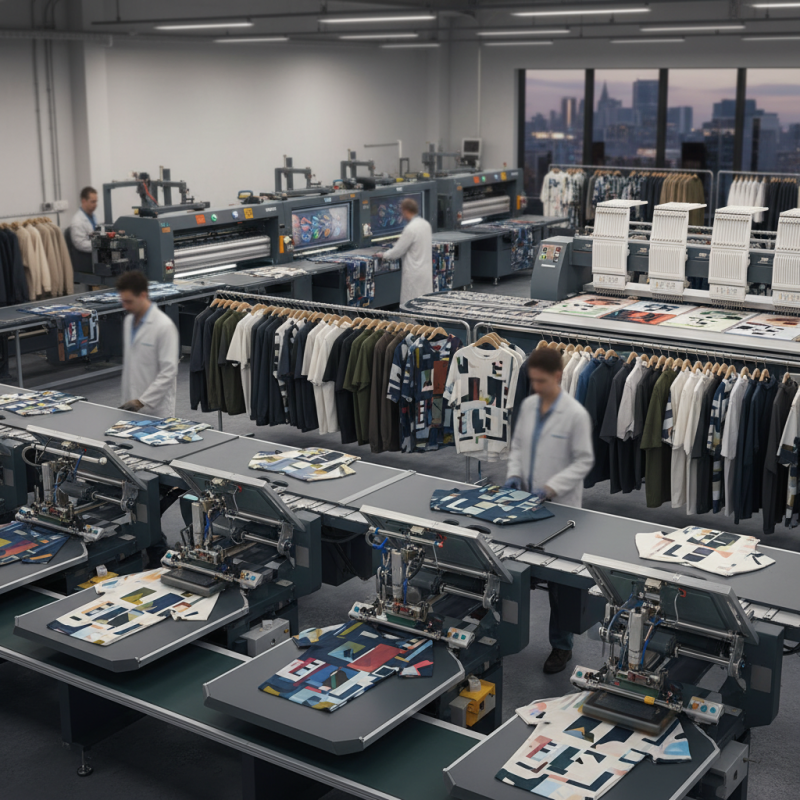
When deciding on the most effective way to print logos on clothing, it's essential to analyze the various printing techniques available and their respective benefits. Screen printing remains one of the most popular methods due to its cost-effectiveness for bulk orders and the vibrant colors it can achieve. According to a report by IBISWorld, the screen printing industry has seen a steady growth rate of about 3.1% annually as demand for custom apparel increases. This technique is particularly well-suited for large designs and is known for its durability, making it a common choice among clothing brands looking for longevity in their products.

On the other hand, direct-to-garment (DTG) printing offers a more versatile option, allowing for finer details and a wider variety of colors. A study by Grand View Research forecasts the DTG printing market will reach USD 1.2 billion by 2025, reflecting its growing adoption among smaller brands and custom design businesses. This method is excellent for small runs or one-off prints since it eliminates the need for screens and setup costs, making it an economically viable option for startups. Ultimately, selecting the right printing technique involves understanding the unique needs of your brand, including the volume of production and the intricacies of the logo design.

Designing a Memorable Logo that Stands Out

Designing a memorable logo is a crucial step in establishing a brand's identity in the competitive fashion landscape. A logo should not only be visually appealing but also embed the essence of the brand's values and message. To create a standout logo, start by understanding what your brand represents. Consider the emotions you wish to evoke in your audience and the message you want to convey. Utilizing color psychology, unique typography, and engaging imagery can significantly enhance the visual impact of your logo.

Once you have a clear vision, focus on simplicity and versatility. A memorable logo is often simple yet striking, allowing it to be easily recognizable across various mediums. Think about how your logo will look on different clothing items and consider how it adapts to different sizes and backgrounds. By ensuring that your logo is versatile, you can maintain brand consistency, whether it’s on a small tag, a large print on a shirt, or promotional merchandise. Ultimately, a well-thought-out logo can differentiate your brand in a crowded market and leave a lasting impression on your target audience.

Preparing Your Logo File for Optimal Printing Quality

When preparing your logo file for print, the quality of the image can significantly affect the outcome of your clothing branding. It's essential to start with a high-resolution logo; ideally, this should be at least 300 DPI (dots per inch). Research by the Printing Industries of America indicates that high-resolution images can enhance print quality and ensure that intricate details of your logo remain sharp and clear on fabric. In a market where apparel is saturated, even minor distinctions in visual quality can impact consumer perceptions and brand loyalty.

Additionally, selecting the correct file format is paramount. Formats like vector images (.ai, .eps, or .svg) are preferable because they can be scaled without losing quality, making them ideal for various clothing sizes and printing techniques. According to a study conducted by the Specialty Graphic Imaging Association, brands that utilize vector graphics in their printed materials report a 35% increase in overall print satisfaction. This shift not only enhances the visibility of the logo but also contributes to a more polished and professional look, critical factors for standing out in a competitive market. Therefore, ensuring your logo file meets these specifications can significantly contribute to the success of your brand's clothing line.

Printing Quality of Various Logo File Formats

Selecting the Best Printing Services for Your Brand

When it comes to printing logos on clothing, selecting the right printing service is crucial for your brand’s success. The first step in this process is to identify a service that specializes in quality output, as the print directly reflects your brand's image. Research potential providers by analyzing their portfolios and customer reviews. Look for examples of work that demonstrate attention to detail, vibrant colors, and durability. A service that showcases a diverse range of materials and techniques, from screen printing to digital printing, will ensure that you can achieve the desired effect for your logo across various types of apparel.

In addition to quality, consider the printing service's ability to meet your specific needs. Factors such as turnaround time, order size flexibility, and customer support can greatly influence your decision. A service that offers personalized consultations can help you understand the best options for your design, including placement and size on garments. Don't hesitate to ask about their eco-friendliness and sustainable practices, as these are increasingly important to consumers today. By carefully evaluating printing services based on these criteria, you will be better equipped to find a partner that aligns with your brand vision and contributes to its overall success.

Promoting Your Branded Apparel to Enhance Visibility and Sales

Promoting your branded apparel effectively can significantly enhance your visibility and sales. In today’s competitive market, apparel featuring your logo not only represents your brand but also becomes a walking advertisement. To maximize the impact of your clothing line, consider integrating smart marketing strategies that resonate with your target audience. Use social media platforms to showcase your products, engaging users with compelling visuals and authentic brand stories that reflect your values and mission.

Tips for promoting your branded apparel include collaborating with influencers who align with your brand ethos. Their endorsement can broaden your reach and build credibility among potential customers. Additionally, attend local events or trade shows where you can showcase your apparel directly to consumers. Offering exclusive merchandise or limited-time promotions during these events can create a sense of urgency and attract more buyers.

Another effective strategy is to encourage your customers to share photos wearing your branded clothing on their social media. Running contests where customers post their favorite outfits featuring your logo can increase engagement and create a community around your brand. Real-life testimonials and user-generated content can enhance your visibility and encourage new customers to explore your apparel.

FAQS

: What factors should be considered when choosing fabric for logo printing?

: The choice of fabric is crucial for effective logo printing and involves considering the fabric's interaction with printing methods, desired vibrancy, and durability of the printed logo.

Which fabric is most commonly used for logo printing in sportswear?

Polyester is preferred for sportswear due to its moisture-wicking properties and ability to maintain vibrant colors when printed.

How do different printing techniques affect fabric selection?

Different printing techniques, such as direct-to-garment (DTG) and screen printing, work better with certain fabrics. DTG is effective on smooth, cotton-rich fabrics, while screen printing is versatile and can be executed on various materials.

What is the advantage of using high-quality synthetic blends for logo printing?

High-quality synthetic blends can significantly increase the longevity of printed logos—by up to 60% longer compared to standard cotton.

Why is screen printing a popular method for clothing logo printing?

Screen printing is popular due to its cost-effectiveness for bulk orders, ability to achieve vibrant colors, and durability, making it ideal for larger designs.

What is a key benefit of direct-to-garment (DTG) printing?

DTG printing allows for finer details and a wider variety of colors, making it an excellent choice for small runs or custom designs without the need for screens.

How does the volume of production influence the choice of printing technique?

The volume of production impacts the choice of printing technique; bulk orders often favor screen printing, while smaller runs are more suited for DTG due to lower setup costs.

What impact does fabric choice have on brand presence?

Choosing the right fabric that aligns with the desired printing process can enhance a brand's presence, ensuring that logos maintain their clarity and appeal over time.

Conclusion

Effectively printing logos on clothes is crucial for establishing a strong brand identity. Understanding the significance of Logo Printing On Clothes helps businesses create a memorable image that connects with customers. Selecting the right fabric is essential, as it influences both the appearance and durability of the logo. Various printing techniques, including screen printing, embroidery, and heat transfer, offer different benefits and can be chosen based on the desired outcome.

Designing a unique logo that stands out is key to capturing attention, while preparing the logo file correctly ensures optimal quality in printing. Choosing reliable printing services guarantees a professional finish, and promoting the branded apparel boosts visibility and potential sales. By focusing on these elements, brands can successfully leverage logo printing on clothes to enhance their recognition and market presence.

Lydia

Lydia

Lydia is a dedicated marketing professional at Nantong Fuquan Industry & Trade Co., Ltd., an esteemed enterprise specializing in garment production and trade. With a deep-rooted passion for fashion and a keen understanding of market trends, Lydia plays a pivotal role in driving the company’s......
Previous 10 Unique Stylish Handbags to Elevate Your Fashion Game in 2024