inquiry
Inquiry
Form loading...
0%

China is really stepping into the spotlight when it comes to the 'Fashion White Label' scene. More and more, global buyers are turning to the country for custom solutions that fit their needs perfectly. I was reading this recent report by Market Research Future, and it sounds pretty promising — they’re saying the worldwide white label market is expected to grow at a solid 15% CAGR through 2028. That’s a pretty clear sign there’s a huge demand brewing. Experts like Li Chen, who's a lead analyst over at Fashion Insights, pointed out that the real game-changer here is how adaptable and scalable these Fashion White Label products are — they’re really vital for brands looking to break into different markets without too much hassle.

In this kind of environment, brands have a great opportunity to tap into China’s manufacturing strengths — you know, high quality coupled with quick turnaround times. The country’s got some cutting-edge textile technology and a talented, hardworking workforce, making it a perfect spot for producing custom clothing. But, of course, it’s not all smooth sailing. Some buyers do worry about maintaining consistent quality and sometimes face communication hiccups. So, really, picking the right partners and being careful about who you work with is super important.

To get through these tricky parts, companies should focus on being transparent and fostering strong, trustworthy relationships with their suppliers. As more brands jump into the White Label Fashion game, understanding these dynamics is crucial if you want to stand out and succeed. The ones who build solid partnerships and stay flexible will probably catch the biggest breaks in this competitive space.
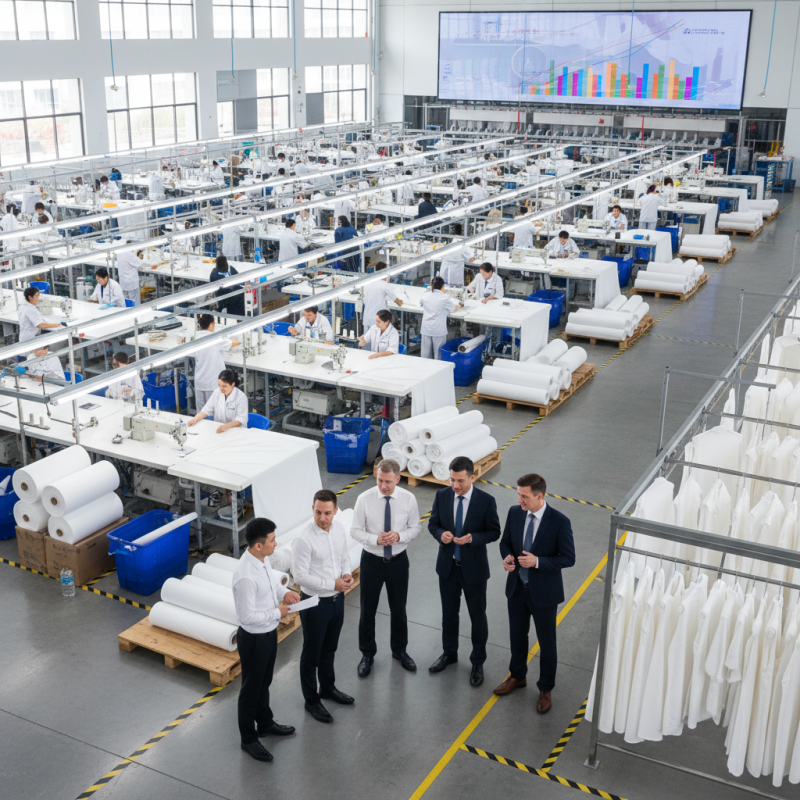
China Top Fashion White Label Solutions for Global Buyers?

China's Growing Influence in Global Fashion White Label Market

China's role in the global Fashion White Labelmarket is increasing rapidly. A report from MarketWatch highlights that the global White Label Apparel market is projected to reach $200 billion by 2025. China is becoming a key player due to its vast manufacturing capabilities and cost-effective production. This trend shows that many international brands leverage Chinese factories for their fashion white label solutions.

With flexible manufacturing processes, Chinese suppliers can accommodate small orders and rapid changes. A survey conducted by Statista found that 68% of fashion companies intend to expand their use of white label solutions by 2024. However, not all companies succeed in navigating this landscape. Quality control remains a significant challenge, as maintaining high standards across numerous suppliers is complex. Brands must ensure their white label partners meet specific guidelines.

Additionally, the market's growth introduces competition. While some companies thrive, others struggle to stand out. A lack of differentiation in product offerings can hinder success. Brands must work closely with their Chinese partners to innovate. Creating unique designs or incorporating sustainable practices could be game-changers. The potential of fashion white label solutions in China is immense, yet requires strategic planning and execution.

Key Characteristics of China's Fashion White Label Solutions

China has emerged as a leading hub for White Label Fashion solutions. This growth is driven by a blend of advanced manufacturing, cost efficiency, and innovative designs. According to recent industry reports, the global white label apparel market is expected to grow at a CAGR of 8.5% through 2026. This trend offers promising opportunities for international buyers seeking quality production at competitive prices.

Key characteristics of China's fashion white label solutions include:

  • Flexibility and customization: Manufacturers offer extensive options for materials, cuts, and styles allowing buyers to create unique products tailored to their target market.
  • Advanced technology: Ensures companies maintain high standards of production.
  • Challenges to note: Quality variation and communication barriers; buyers must establish clear guidelines and build strong relationships with partners.
Tip:
Conduct thorough research on potential manufacturers. Look for reviews and past projects. A small amount of initial testing can prevent larger supply chain issues later on.

Market trends also indicate a rising focus on sustainability. Many Chinese manufacturers are adopting eco-friendly practices. This aligns with global consumer preferences shifting towards sustainable fashion. However, buyers must verify sustainability claims to avoid misleading information.

Tip:
Always request certifications and detailed product information. This helps ensure your brand aligns with sustainability goals.

Top Chinese Manufacturers for White Label Fashion Products

China Top Fashion White Label Solutions for Global Buyers?

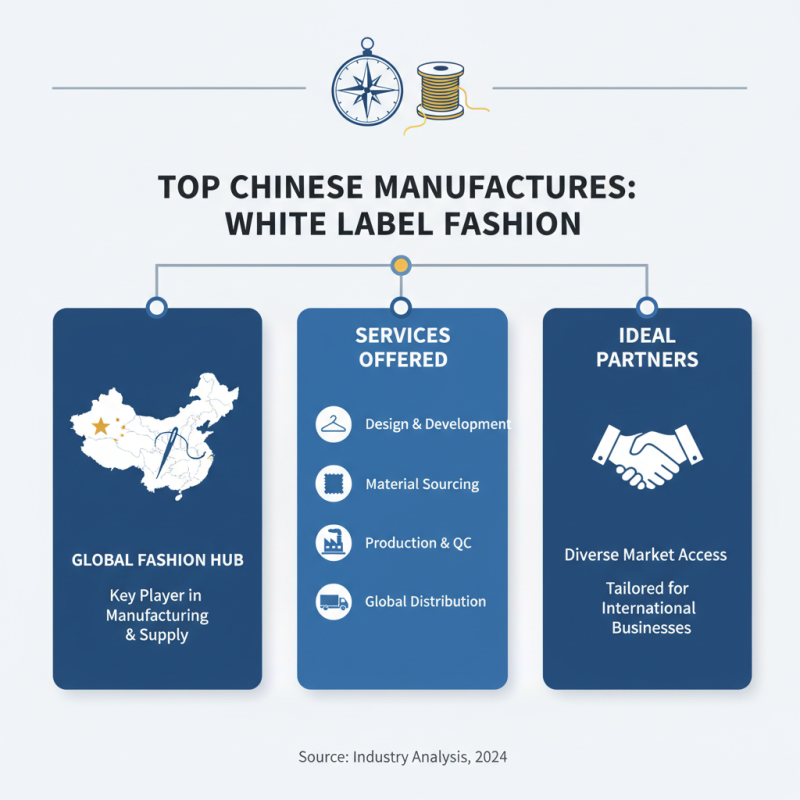
China has emerged as a key player in the global fashion industry. Many buyers seek top Chinese manufacturers for white label fashion products. These companies offer a range of services from design to distribution. They cater to diverse markets, making them ideal partners for international businesses.

When choosing a manufacturer, consider their experience and reliability. Research their production processes and quality standards. Look for companies that have a proven track record in Private Label Fashion. This can ensure you receive products that meet your expectations.

Tips for success: Always ask for samples before making large orders. This verifies product quality and allows for necessary adjustments. Consider visiting factories if possible. This can provide insights into their operation and help build a trustworthy relationship. Choose partners that align with your brand values, as this can enhance your overall success in the market.

Case Studies: Successful Global Brands Using China’s White Label Solutions

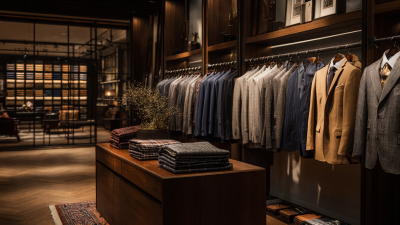
China’s white label solutions have emerged as key resources for global brands, especially in the Mens Fashion sector. Many renowned companies have successfully partnered with Chinese manufacturers to create unique products that align with their brand vision. These collaborations often combine innovative designs with competitive pricing, making them attractive for businesses aiming to quickly expand their offerings.

One notable case involved a company that launched a Mens Fashion line leveraging China's advanced production techniques. The brand benefited fromhigh-quality materials that enhanced its market presence. However, challenges arose regarding quality control. Maintaining consistent standards is crucial; brands must establish clear communication with suppliers. This ensures that expectations are met and protects brand integrity.

Tips for navigating this landscape include doing thorough research on potential partners. Look for manufacturers with solid reputations and extensive experience. Regular visits to production sites can provide insights into operational practices. Building relationships is vital; personal connections can lead to better outcomes. Additionally, flexibility is important. Brands may need to adjust designs based on manufacturers' capabilities. Embracing this adaptability can foster innovation and enhance product appeal in the competitive mens fashion market.

Market Trends: The Demand for Customizable Fashion in Global Markets

The global demand for customizable fashion continues to rise. Trends indicate that buyers prefer unique styles over mass-produced apparel. Recent reports show that the customization market in the fashion industry is projected to reach $31 billion by 2026. This surge highlights the opportunity for white label solutions, particularly in Ladies Fashion.

Consumers are increasingly seeking personalized options. They want to express individuality through their wardrobe choices. According to data from a leading industry study, 70% of buyers are willing to pay more for customized items. This statistic underscores a shift in consumer behavior. Nonetheless, challenges exist. Not all brands can efficiently provide tailored solutions within short timeframes. Balancing quality and speed remains a puzzle.

In the Ladies Fashion sector, staying on top of trends is crucial. Emerging designers and labels face pressure to adapt quickly. A lack of agility can alienate potential buyers. The ability to respond to market changes swiftly is essential. Customization offers a way to stand out, but execution requires expertise and commitment.

Market Trends: The Demand for Customizable Fashion in Global Markets

Understanding Quality Standards in China's Fashion Manufacturing Sector

When exploring white label solutions in China’s fashion sector, quality standards are paramount. According to a report from the China National Textile and Apparel Council, approximately 80% of Chinese manufacturers adhere to stringent quality assurances. However, not all factories offer the same level of reliability. Buyers should conduct thorough assessments to identify potential red flags.

The use of internationally recognized quality benchmarks is vital. Many Chinese manufacturers are ISO-certified, which ensures adherence to global quality management systems. Nevertheless, discrepancies in quality still exist. A study highlighted that nearly 25% of products may not meet the expected standards due to inconsistent quality control processes. This variability necessitates that buyers perform regular audits and inspections, especially for high-volume orders.

Understanding material specifications is equally important. Reports show that specific fabrics in China are often sourced from local suppliers with varying degrees of quality. While some suppliers provide excellent materials, others may deliver subpar options that could affect the final product. It’s essential for buyers to verify material quality before production to minimize risks. Engaging trusted local experts can bridge this gap, offering insights into the sourcing landscape.

Challenges and Opportunities in Sourcing from China for Global Buyers

Sourcing from China offers immense potential for global buyers, but it is not without its challenges. Quality control remains a primary concern. Many buyers face difficulties ensuring that products meet their expectations. Communication barriers can also lead to misunderstandings. Navigating these issues requires a keen eye and thorough research.

When dealing with suppliers, embrace flexibility. Be prepared for variations in product quality and delivery timelines. Regular updates can mitigate issues. Establish clear expectations upfront. This minimizes surprises down the line.

**Tips:** Focus on building long-term relationships with reliable partners. Visit factories when possible. This helps establish trust and understand production processes. Moreover, consider starting with smaller orders to gauge quality. Keep in mind that not every supplier will meet your expectations. Reflect on previous experiences to refine your sourcing strategy. Adaptability will serve you well in the dynamic landscape of Chinese manufacturing.

FAQS

: What is the outlook for the global white label apparel market?

: The market is expected to reach $200 billion by 2025, showing significant growth.

Why is China important in the fashion white label market?

China offers vast manufacturing capabilities and cost-effective production, attracting numerous international brands.

What challenges do brands face when working with Chinese factories?

Quality control is a significant issue, as maintaining standards across various suppliers can be complex.

How can brands differentiate their products in a competitive market?

Innovating with unique designs and sustainable practices can help brands stand out.

What should buyers do to ensure product quality in China?

Conduct thorough research and assessment of potential manufacturers before partnering with them.

Are Chinese manufacturers adopting sustainable practices?

Yes, many are focused on eco-friendly practices to meet global consumer preferences.

What are the risks associated with material sourcing in China?

Material quality can vary significantly among suppliers, which may affect the final product quality.

How important are quality standards in China’s fashion sector?

Quality standards are crucial, with around 80% of manufacturers adhering to strict assurances and ISO certifications.

What should buyers request to confirm sustainability claims?

Request certifications and detailed product information to ensure alignment with sustainability goals.

What common pitfalls should brands be aware of when choosing suppliers?

Variability in quality and communication barriers can lead to issues. Regular audits can help mitigate these risks.

Conclusion

The article explores China's prominent role in the global Fashion White Label market, highlighting its rapid growth and increasing influence. Key characteristics such as competitive pricing, a wide range of customizable options, and efficient manufacturing capabilities position China as a leading hub for buyers seeking Fashion White Label solutions.

Furthermore, the discussion includes notable Chinese manufacturers who excel in producing quality white label products, alongside case studies of successful global brands that have leveraged these solutions. As market trends indicate a rising demand for customizable fashion, understanding quality standards and navigating challenges in sourcing from China becomes critical for global buyers. The opportunities presented by China's capabilities in Fashion White Label manufacturing are vast, making it an essential consideration for businesses aiming to thrive in the competitive fashion landscape.
Charlotte

Charlotte

Charlotte is a dedicated marketing professional at Nantong Fuquan Industry & Trade Co., Ltd., a leading enterprise in garment production and trade. With a profound understanding of the fashion industry, she excels in showcasing the company’s commitment to delivering stylish, comfortable, and......
Previous How to Choose the Best Embroidered Polo Shirts for Your Brand?