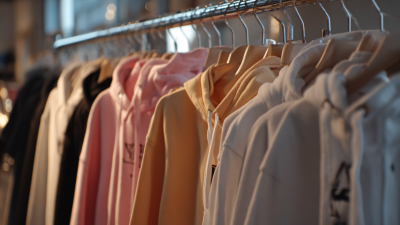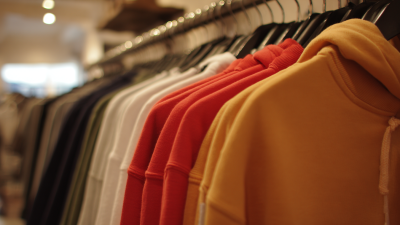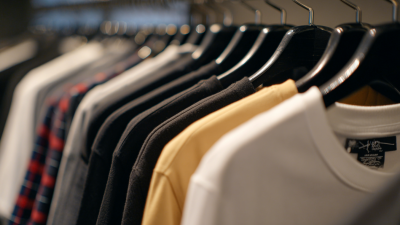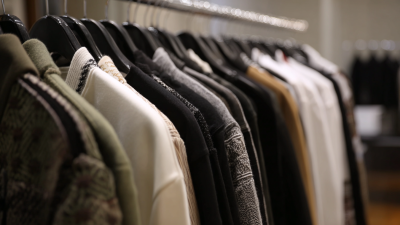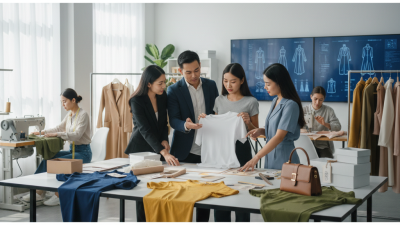
Looking ahead to 2026, the Own Label Clothing scene in China is changing pretty quickly. Big players like Alibaba and JD.com are really shaking things up, and their moves are shaping what customers want more and more. These days, a lot of brands are putting more emphasis on sustainability and sourcing locally—things that resonate with consumers nowadays.
People are also craving unique, personalized outfits—stuff that helps them stand out and show off their individuality. This trend is opening up opportunities for smaller, niche brands to get in the game alongside the bigger giants. That said, balancing good quality with affordable prices is still a bit of a juggling act for many companies.
Keeping an eye on these trends is super important if brands want to stay ahead of the curve. They need to be flexible, ready to adapt, and find new ways to connect with customers. The journey of Own Label Clothing in China isn’t without its hurdles, but those who keep reflecting on these changes and stay resilient will have a better shot at thriving in such a fast-moving environment.
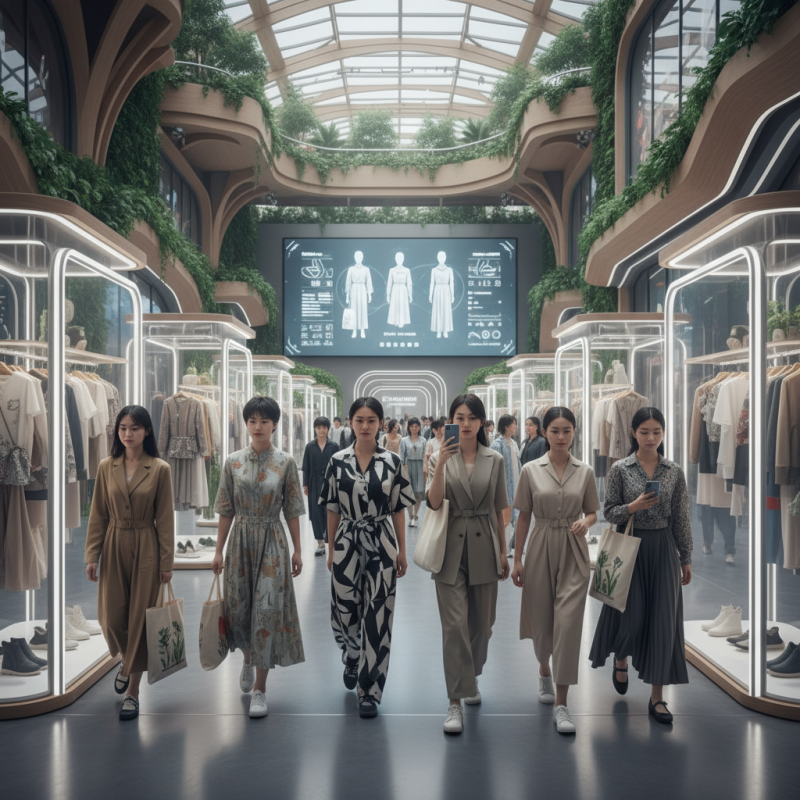
China's fashion landscape is rapidly shifting. By 2026, the demand for Own Label T Shirts is expected to surge. Industry reports suggest that nearly 45% of consumers prefer personalized clothing. This trend signifies a move away from mass-produced items. Customization appeals strongly to younger shoppers. They seek individuality and self-expression through their clothing choices.
The growing middle class drives these changes. As disposable incomes rise, so does the appetite for unique styles. Reports indicate that 60% of consumers aged 18-30 prioritize local brands. They value the story behind the clothing. Moreover, the e-commerce sector is expanding. Online sales of own label products are projected to increase by 30% in the coming years. However, sustainability remains a challenge. Many brands struggle to balance environmental impact with production.
Despite the growth, gaps exist in quality assurance. Some consumers report dissatisfaction with product durability. They urge brands to enhance quality while maintaining affordability. Recognizing these concerns could foster trust. Brands should innovate, focusing on sustainable materials. Understanding consumer preferences will be key as the market evolves.
| Trend Category | Description | Target Audience | Key Features |
|---|---|---|---|
| Sustainable Fashion | Focus on eco-friendly materials and ethical production practices. | Environmentally conscious consumers | Organic fibers, biodegradable materials, fair trade |
| Tech-Integrated Clothing | Wearable technology that enhances functionality. | Tech-savvy millennials and Gen Z | Smart textiles, fitness tracking, temperature regulation |
| Minimalist Aesthetics | Clean lines and simple designs dominating the market. | Young professionals and urban dwellers | Neutral colors, versatile pieces, effortless style |
| Cultural Fusion | Blending traditional styles with modern trends. | Culturally aware consumers | Heritage patterns, global influences, storytelling |
| Gender-Neutral Clothing | Fashion that defies traditional gender norms. | Progressive and inclusive consumers | Unisex designs, oversized fits, adaptable styles |
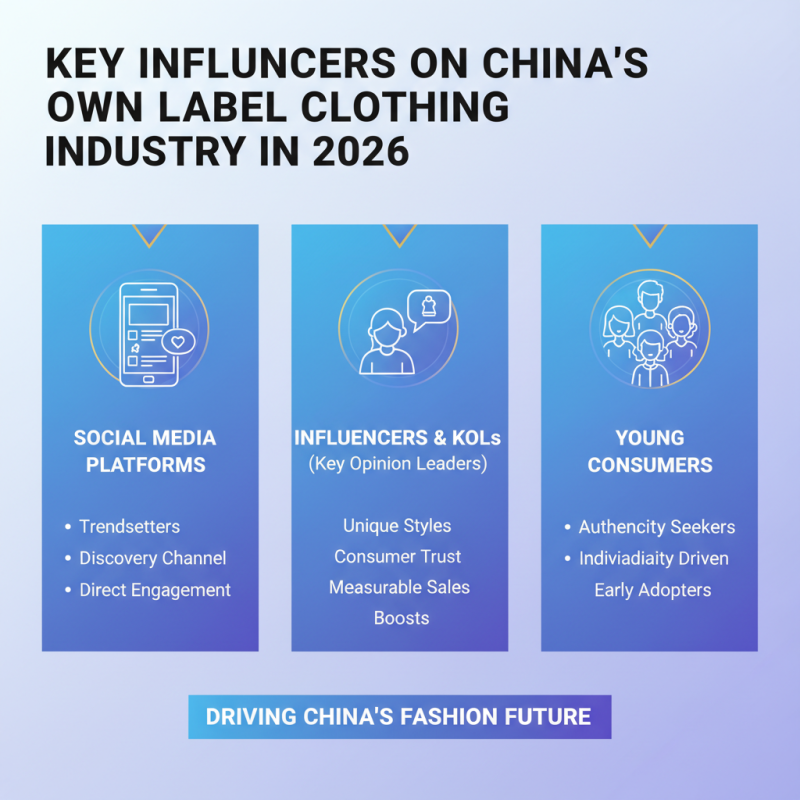
In 2026, China's own label clothing industry will be shaped by various influencers. Social media platforms play a vital role in driving trends. Influencers, with their unique styles, impact consumer choices. Their recommendations often translate into measurable sales boosts. These voices resonate with young shoppers who crave authenticity and individuality.
Additionally, sustainability is becoming more critical. Consumers are increasingly concerned about the environmental impact of their clothing. Many expect brands to adopt eco-friendly practices. This shift is evident in the rising popularity of recycled materials and sustainable manufacturing methods. It’s a wake-up call for brands to reflect on their practices and make necessary changes.
Lastly, technology shapes the future of this industry. Augmented reality and virtual fitting rooms are enhancing the shopping experience. Consumers seek convenience and personalization. However, the reliance on technology raises questions about privacy and data security. Balancing innovation with ethical considerations will be crucial for growth.
As China trends toward sustainable clothing manufacturing, the use of eco-friendly materials is becoming essential. Many manufacturers are exploring organic cotton, bamboo fabric, and recycled polyester. These materials reduce environmental impact and promote responsible consumption. Consumers are increasingly aware of their choices. They consider not just style but also the sustainability of the items they buy.
Designing my own T-shirt using sustainable materials can be a fulfilling experience. It allows for creativity while supporting an eco-friendly approach. Many people want to express individuality through clothing. However, availability of sustainable options can be inconsistent. Awareness is growing, yet the market still has room for improvement.
Environmental challenges persist, from waste to resource scarcity. Brands must rethink production methods, supply chains, and material sourcing. Sustainable practices are not yet the norm. Change takes time and dedication. Yet, the push for greener alternatives offers hope. In the end, combining fashion with sustainability can lead to innovative clothing trends in China.
In 2026, China's own label clothing trends are evolving, influenced heavily by consumer preferences. Shoppers are looking for unique designs that reflect personal style. Sustainable materials are gaining traction among environmentally conscious consumers. Comfort and versatility are top priorities. Clothing should transition easily from day to night.
When developing designs, consider color palettes that resonate with the target audience. Earthy tones and pastels are trending now. Incorporating local cultural elements can make collections more appealing. However, there is a risk of cultural appropriation. Designers should approach this carefully.
**Tips:** Focus on quality over quantity. Consumers appreciate well-made pieces that last. Use direct customer feedback to refine designs. Social media is a powerful tool for understanding trends. Engage with your audience actively.
As preferences shift, staying adaptable is key. Not all ideas will resonate. Some designs might miss the mark. It’s essential to learn from these experiences and adjust accordingly. Understanding what consumers truly want is a continuous journey in fashion.
In 2026, technological innovations will reshape the fashion retail experience in China. According to recent industry reports, over 70% of consumers prefer personalized shopping. This demand drives retailers to adopt cutting-edge technologies. In-store augmented reality (AR) experiences are becoming common. Shoppers can visualize clothing, making choices easier. The rise of AI in fashion is notable. AI analyzes data to predict trends and manage inventory efficiently.
E-commerce platforms are also evolving. With increasing internet penetration, online shopping is set to grow drastically. A survey indicates that 65% of Chinese consumers favor online stores for customization options. They want to print their own logos on T-shirts, emphasizing individuality. Challenges persist, though. Many brands still struggle with integrating technology seamlessly. The gap between consumer expectations and actual experiences needs attention.
Furthermore, sustainability is influencing technology adoption. Eco-friendly practices are becoming a priority for consumers. Reports show that 55% of shoppers are willing to pay more for sustainable fashion. Retailers face pressure to innovate responsibly. This requires balancing technological advancements with ethical considerations. Companies must rethink their strategies to meet changing consumer preferences.
China's own label clothing market faces intriguing challenges and opportunities in 2026. Consumer preferences are shifting rapidly. Shopping habits are evolving, with more focus on sustainability. Brands must adapt quickly to meet the demand for eco-friendly products. Younger consumers prioritize transparency and ethical practices. They want to know where their clothes come from and how they're made.
Competition is fierce among local brands. Many lack the resources to invest in innovative designs. This can hurt their market share. A clear marketing strategy is essential for success. Brands should highlight unique selling points, such as local craftsmanship or sustainable materials. Online presence matters more than ever. However, navigating social media trends can be overwhelming.
Supply chain issues may disrupt production. Sourcing quality materials remains a challenge. Furthermore, fluctuating costs can impact pricing strategies. Brands need to cultivate strong relationships with suppliers. Collaboration could lead to shared resources and better solutions. Identifying niche markets may yield high rewards. Still, understanding local consumer behavior is crucial. This can lead to more personalized and effective marketing campaigns.
E-commerce is shaping the landscape of clothing trends in China for 2026. Many consumers are moving online for their shopping needs. This trend is driven by the convenience of browsing endless styles and options. People can explore and purchase clothing from the comfort of their homes. The rise of online shopping has changed how fashion is marketed and purchased.
White Label Clothing is becoming more popular. It allows smaller retailers to offer unique products without the overhead of designing from scratch. E-commerce platforms are enabling these opportunities. Retailers can upload their private label items easily. They rely heavily on social media for promotion. However, standing out is a challenge. The competition is fierce online. Many brands struggle to create a distinct identity.
Consumers are becoming increasingly picky. They seek authenticity and originality in their clothing choices. The pressure is on for online retailers to innovate. They must pay attention to consumer feedback and market trends. Observing buyer behavior is essential for success. Mistakes can be costly in the fast-paced digital marketplace. Adapting to this evolving space is key for future growth in clothing trends.
: The focus is on personalized clothing, sustainable materials, and unique designs reflecting individual style.
Younger shoppers seek individuality and self-expression through clothing, moving away from mass-produced items.
Consumers are more aware of environmental impact and prefer eco-friendly options like organic cotton and bamboo.
Shoppers favor unique, comfortable, and versatile pieces that seamlessly transition from day to night.
Brands often struggle with balancing sustainability and affordability while ensuring product durability and quality.
Social media helps brands gauge consumer preferences and engage with audiences to refine their designs.
Brands should prioritize quality over quantity and actively seek customer feedback for improvements.
There is a risk of cultural appropriation, requiring careful consideration to respect local traditions.
While awareness is growing, the availability of sustainable options can still be inconsistent and needs improvement.
Staying adaptable is crucial, as not all designs will resonate, and learning from failures is part of the journey.
In 2026, China's fashion landscape is notably influenced by the rise of Own Label Clothing, reflecting changing consumer preferences and a shift towards sustainability. Key trends highlight the increasing demand for garments made from sustainable materials, as consumers become more environmentally conscious. This focus on eco-friendly practices is coupled with technological innovations that enhance the retail experience, making shopping more convenient and personalized.
Moreover, the expansion of e-commerce plays a significant role in shaping the Own Label Clothing market, providing brands with new opportunities to reach consumers and adapt to their evolving tastes. Despite facing challenges such as intense competition and market saturation, the Own Label Clothing segment in China is positioned for growth, as brands strive to innovate and align with the values of the modern consumer.