Private Label Clothing has really become a hot topic in the fashion world lately. You know, experts like Emma Johnson, who started Style Innovators, often highlight how crucial good sourcing is. I remember she once said, “Finding the right partners can really make or break your Private Label Clothing Line.” It’s a pretty big deal, and it shows just how important a strategic plan is when you're diving into this competitive space.
Getting the sourcing right can be pretty tricky, though. A lot of new entrepreneurs struggle to find dependable suppliers, and that can lead to headaches around quality and how quickly things get made. It’s all about clear communication and setting expectations from the get-go—those little details matter a lot. But it’s also worth keeping in mind that not every supplier will suit your brand’s vibe. Sometimes you gotta go through a few options, maybe make some mistakes, before you hit on the perfect fit.
Growing a successful Private Label Clothing brand isn’t something that happens overnight. It takes patience and a willingness to learn from your setbacks. As you get better at sourcing, try to stay flexible—be open to switching things up, rethinking your partnerships, and exploring new paths. The whole process is about continuous improvement, making sure your brand keeps up with what the market wants and needs. Remember, it’s all part of the journey!

Understanding Private Label Clothing: An Overview
Private label clothing refers to apparel produced by a manufacturer but sold under another brand's name. This model allows businesses to customize designs, materials, and branding to meet their target audience's needs. By choosing private label options, retailers maintain control over quality and pricing. However, entering this arena can be tricky.
Identifying suitable suppliers is crucial. Research various manufacturers and their specialties. Engage with them to assess their production capabilities and reliability. Communicate clearly about your vision. Only then can you ensure quality and minimize risks. Pay attention to sample production. It provides insight into the final product and helps refine your concepts.
Additionally, understanding market trends is vital. Regularly analyze competitors and customer preferences. This practice can guide your design choices and marketing strategies. Yet, it's essential to acknowledge that not every decision will lead to success. Mistakes will happen; learn from them. Reflecting on what didn't work fosters improvement in future sourcing efforts.
Identifying Your Target Market for Private Label Clothing
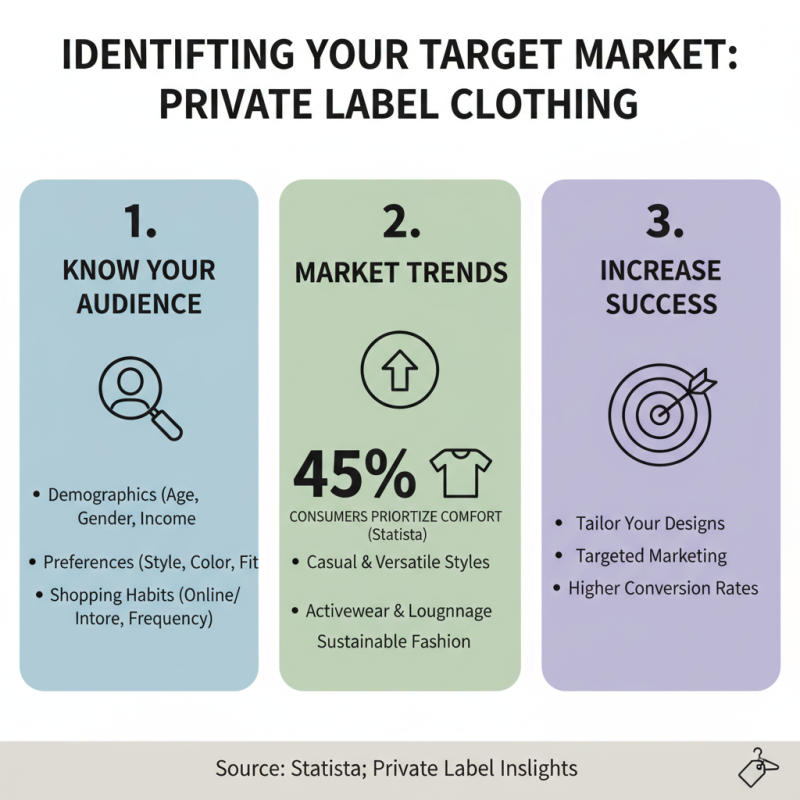
Identifying your target market for private label clothing is crucial. Understanding the demographics, preferences, and shopping habits of your potential customers will significantly increase your chances of success. According to Statista, 45% of consumers prioritize comfort in their clothing choices, indicating a market trend towards casual and versatile styles. This insight can guide your design process and help tailor your offerings.
To effectively determine your target market, consider conducting surveys and focus groups. These tools can gather valuable feedback on preferred styles, fabric types, and price ranges. Don’t overlook social media platforms; they serve as a rich source for understanding consumer interests and trends. Engaging with your audience can uncover their specific needs and desires.
Tip: Utilize analytics tools to track sales data. Identify which products perform best and attract repeat customers. This data allows you to refine your inventory and focus on the most marketable items.
Mistakes can occur in this process. Some brands may overlook niche markets. Focusing only on mainstream trends often misses potential customers. Reflect on your findings regularly and adapt your strategy to stay relevant and responsive to market changes. This will ensure that your private label clothing aligns with consumer expectations.
Researching Reliable Suppliers for Private Label Clothing
Finding reliable suppliers for private label clothing is key to success. The Global Apparel Market is projected to reach $3 trillion by 2030, according to Allied Market Research. This growth means more competition for quality manufacturers. Research shows that 30% of startups fail due to poor supplier relationships. It’s essential to invest time in this area.
Start by assessing potential suppliers thoroughly. Look for manufacturers with positive reviews and a solid track record. Industry data indicates that 70% of successful brands rely on vetted suppliers. Attend trade shows and networking events to gather firsthand information. These interactions can reveal details not found online. When you contact suppliers, ask for samples. This allows you to gauge material quality and craftsmanship.
Don’t overlook smaller, local manufacturers. They often provide unique offerings and personalized service. A study by McKinsey indicates that brands using local suppliers improve their supply chain agility by 50%. However, be wary of suppliers who promise the lowest prices. They might compromise quality. Regular check-ins and open communication can help foster a strong relationship. Staying involved ensures that your expectations align with their capabilities.
Evaluating Quality Standards in Private Label Manufacturing
Evaluating quality standards in private label manufacturing is essential. Many new brands overlook this critical step. A thorough quality evaluation can prevent future issues. It also ensures a stronger reputation in the market. Start by identifying specific quality metrics that matter to your brand. These can include fabric durability, stitching precision, and colorfastness.
Next, establish a reliable supply chain. Partner with manufacturers who share your commitment to quality. Regular inspections during production are vital. Consider random sampling of products to maintain consistency. Documentation of your quality checks will help track performance over time.
It’s important to reflect on your processes. Sometimes, manufacturers may promise high quality but fail to deliver. Frequent communication can help bridge gaps. Don't shy away from addressing concerns directly. Adjust your quality standards as your brand evolves. Adapting is part of growth in the private label clothing industry.
Negotiating Terms and Pricing with Clothing Suppliers
Negotiating terms and pricing with clothing suppliers is crucial for private label success. According to a 2021 industry report, 83% of businesses found negotiation to be a critical factor in profit margins. Knowing your numbers can give you leverage. Always compare prices from multiple suppliers. This fosters a competitive environment and can lead to better deals.
Building relationships is equally important. Establishing clear, open communication can reduce misunderstandings. Suppliers often appreciate transparency regarding your business model and expectations. This may lead to favorable terms, such as lower minimum order quantities and extended payment plans. Interestingly, 65% of suppliers prefer long-term relationships over one-time transactions.
Reflection is necessary for effective negotiation. Consider previous discussions with suppliers. What worked? What didn’t? Reassessing past interactions can reveal patterns that may help secure better pricing. It’s also vital to remain adaptable. Changes in market demand can shift pricing structures unexpectedly, necessitating a flexible approach in your negotiations. Keep an eye on industry trends, as they can inform your strategies and empower you during discussions.
Implementing Efficient Sourcing Strategies for Private Label Items
When sourcing private label clothing, implementing efficient strategies is crucial. Start by defining your target market clearly. Understand their preferences and needs. This information will shape your design and material choices.
One effective tip is to build strong relationships with suppliers. This fosters transparency and trust. Frequent communication can lead to better pricing and quality control. It's worth noting that not every supplier will deliver as promised. Regularly evaluate their performance.
Another essential strategy is to streamline your sourcing process. Create a checklist for each step, from design to delivery. This minimizes mistakes and delays. Keep an eye on lead times as they can vary. Remember, being adaptable is key. The fashion industry can change rapidly, and flexibility in sourcing can lead to success.
Ultimate Tips for Sourcing Private Label Clothing Efficiently
This bar chart represents the efficiency of different sourcing strategies for private label clothing. Each strategy's effectiveness is measured on a scale of 1 to 10.
Building Strong Relationships with Your Private Label Suppliers
Building strong relationships with your private label suppliers is crucial for business success. Open communication is key. Regular check-ins help address any issues and foster collaboration. It’s important to be transparent about your needs and expectations. Share your vision for the brand. This clarity can lead to better outcomes.
Invest time in understanding your suppliers. Learn about their capabilities and limitations. This insight is vital in making informed decisions. Attend trade shows and industry events to connect personally. Face-to-face interactions can enhance trust and loyalty. However, expect occasional misunderstandings. Reflect on these moments to improve future communications.
Be patient and flexible in your dealings. Not every order will go smoothly. Delays and errors happen. Acknowledge these challenges as part of the process. Adaptability can strengthen your partnerships. Build a foundation based on mutual respect. Take the time to appreciate your suppliers’ efforts. This approach creates a more positive and effective working relationship.
Conclusion
The article "Ultimate Tips for Sourcing Private Label Clothing Efficiently" provides a comprehensive guide for entrepreneurs interested in entering the private label clothing market. It begins with an overview of what private label clothing entails, emphasizing the importance of understanding your target market to tailor products effectively. The article outlines essential steps, including researching reliable suppliers and evaluating manufacturing quality standards to ensure the end product meets consumer expectations.
Additionally, the guide offers insights on negotiating favorable terms and pricing with suppliers, highlighting the significance of establishing strong relationships in the sourcing process. By implementing efficient sourcing strategies, budding entrepreneurs can streamline their operations and enhance their product offerings in the private label clothing sector, ultimately driving business success.