inquiry
Inquiry
Form loading...
0%

Starting a Private Label Dress business in today’s super competitive fashion world can feel pretty overwhelming, right? I mean, there’s a lot to think about. Claire Johnson, a well-respected expert in apparel branding, puts it nicely—she says, “Private label dresses give you a chance to express your creativity while still fitting into market trends.” It’s a pretty exciting space, but at the same time, many new entrepreneurs struggle to get their footing. They often hit roadblocks like finding trustworthy manufacturers or really understanding what their customers want. Zeroing in on a niche market for your private label dresses can make a huge difference; it’s all about balancing staying trendy with injecting your own unique style.

Of course, mistakes happen—no surprise there. A lot of people jump in without really researching who they’re designing for, which can lead to less-than-stellar sales. Knowing your audience inside and out helps you craft better products and, in turn, boost sales. As you start this journey, try to stay flexible because fashion changes faster than you might think. Being open to both wins and setbacks will guide you toward building a really successful private label dress brand over time. Remember, it’s a marathon, not a sprint!

How to Start a Successful Private Label Dress Business?

Identifying Your Niche in the Private Label Dress Market

How to Start a Successful Private Label Dress Business?

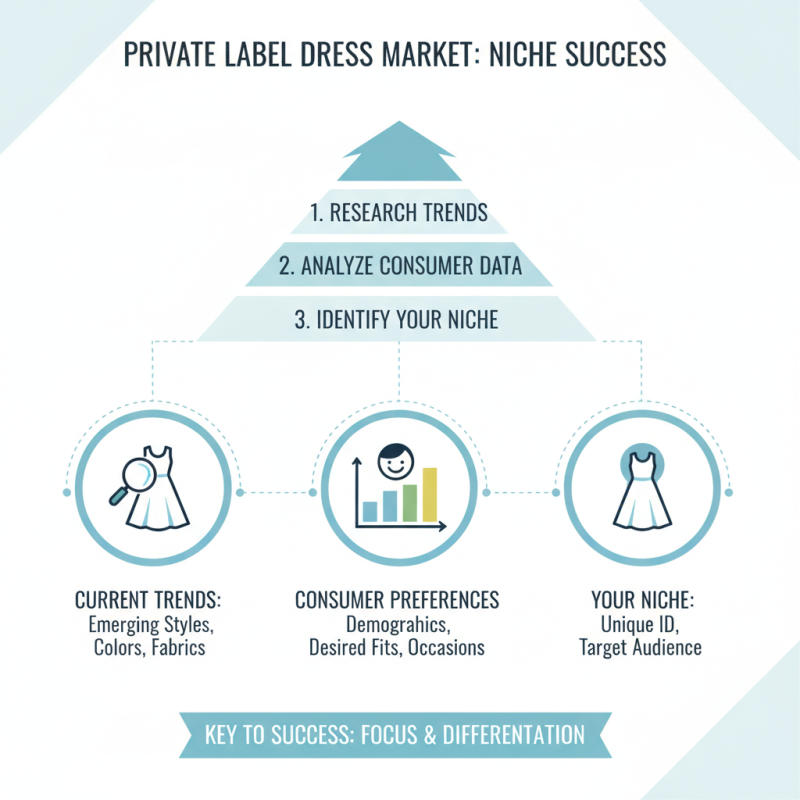
Identifying a niche in the private label dress market is crucial for success. Start by researching current trends and consumer preferences. Look at emerging styles, colors, and fabrics that appeal to specific demographics. This data can provide insights into what your target audience wants.

Try to focus on a particular style, like bohemian or athleisure. Each niche has its unique characteristics and customer base. It’s important to assess competitive brands within these niches. What are they doing well? What gaps exist? Analyzing this can help shape your product offerings.

Remember, trial and error is part of the process. You may choose a niche that doesn’t perform as expected. It’s essential to gather feedback and adapt. Listening to customer comments can guide your design choices. Keep refining your approach until you find what resonates with your audience. Nailing down the right niche could be the key to thriving in the competitive market.

Conducting Market Research for Successful Product Development

Market research is crucial for developing a successful private label dress business. Understanding customer preferences is key. Start by identifying your target audience. Are they looking for trendy styles or classic pieces? Gather data through surveys and social media insights. Engaging with potential customers can yield valuable information.

Consider analyzing competitors in the White Label Dress market. This doesn’t mean copying them. Observe their strengths and weaknesses. What works for them? What doesn’t? This reflection can help you carve your niche. Pay attention to pricing strategies. Are customers willing to pay more for unique designs? Establish your own pricing based on your findings.

Don’t forget to evaluate fabric quality and sourcing. Customers want stylish dresses that last. Sometimes, cheaper materials seem attractive but can harm your reputation later. Test different fabrics and styles. Get feedback, and be ready to adjust. Maintaining flexibility in your approach can lead to unexpected successes. Embrace the learning process; it's part of the journey.

Sourcing Quality Materials and Manufacturers for Your Dresses

Sourcing quality materials and manufacturers is crucial for a private label dress business. It's essential to find reliable suppliers that align with your vision. Look for manufacturers that specialize in clothing production, particularly dresses. Check their certifications and previous work. Visiting trade shows can be beneficial. This allows you to see materials up close and meet manufacturers face to face.

Tips: Do your homework on fabric types. Understand the differences between woven and knitted fabrics. Quality materials impact the final product. Request samples before placing large orders. Be prepared for some trial and error. You may not get it right the first time.

Building a relationship with manufacturers is vital. Communication matters, especially with overseas partners. Language barriers can create challenges. Ensure that all your specifications are clear and documented. Misunderstandings can lead to production issues. It's okay to reflect on what went wrong to improve future sourcing strategies. Learning from mistakes will strengthen your business foundation.

How to Start a Successful Private Label Dress Business?

Category Material Type Source Region Price Range (per yard) Minimum Order Quantity (MOQ)
Cotton Dresses Cotton Twill India $3 - $5 500 yards
Evening Dresses Silk Satin China $7 - $10 300 yards
Casual Dresses Linen Italy $5 - $8 400 yards
Activewear Dresses Polyester Blend Vietnam $4 - $6 600 yards
Formal Dresses Chiffon Bangladesh $6 - $9 250 yards

Creating a Unique Brand Identity for Your Dress Line

Creating a unique brand identity for your dress line is crucial. It's what sets you apart in a crowded market. Start by defining your vision. What style do you want to convey? Your designs should reflect that vision. Consider your target audience's preferences. Research their favorite colors, patterns, and styles.

Tips: Create mood boards to visualize your ideas. Combine textures and colors that resonate with your audience. This helps you to stay focused and creative.

Next, think about your logo and branding. Your logo should capture the essence of your brand. Keep it simple but memorable. The colors you choose must evoke the right emotions. Branding goes beyond just a logo; it’s about the experience. Packaging, website, and social media presence all matter.

Tips: Test different designs with potential customers. Gather feedback and refine your approach. Don’t hesitate to pivot if something doesn’t resonate well. Be open to criticism; it’s a pathway to improvement.

Developing an Effective Marketing Strategy for Launch

Developing an effective marketing strategy is essential for launching a private label dress business. Begin by identifying your target audience. Are they young professionals, college students, or moms looking for trendy options? Knowing who they are shapes your entire approach. Tailor your messaging and delivery channels accordingly. Social media platforms like Instagram or TikTok can be powerful. Engage users with eye-catching visuals and relatable content. Highlight your unique features, like sustainability or customization options.


A key element is your brand storytelling. Customers connect with narratives. Share the inspiration behind your designs, like the timeless elegance of the Sundays The Label White Dress. Create an emotional bond. Don’t shy away from sharing struggles too. Maybe the fabric didn't initially match your vision or the first batch had quality issues. These hurdles humanize your brand and make your journey relatable.


Market testing is crucial. Launch a small collection first. Collect feedback and adjust your offerings based on customer responses. Perhaps your white dress style isn't as appealing as you thought. That's okay! Analyze sentiments. Fine-tune styles, pricing, and marketing approaches until they resonate better. Your strategy should evolve as you learn more from your customers. Embrace the process, imperfections included.

Setting Up an Online Store for Your Private Label Dresses

Setting up an online store for your private label dresses can be an exciting journey. Start by choosing a user-friendly e-commerce platform. Consider options that offer customizable templates. You want your store to reflect your brand’s identity. Don’t forget to include high-quality images of your dresses. Customers need to see the details. A clear description is crucial. Explain the fabric, fit, and care instructions.

Marketing is a key step. Use social media to connect with your audience. Share photos, styling tips, and customer reviews. Engage with followers regularly. Promotions can attract attention. Think about offering discounts on first purchases. Test different strategies and analyze what works.

Inventory management can be tricky. Make sure to track your stock levels diligently. Out-of-stock items can lead to lost sales. Be prepared for fluctuations in demand. Remember, mistakes will happen. Learn from them and adapt. Offering complementary products, like Private Label Tees, might help increase sales. Experiment to find what resonates with your customers.

Managing Inventory and Customer Service for Growth

Managing inventory and customer service is crucial for a successful private label dress business. Efficient inventory management helps avoid stockouts and excess stock. Track your best-selling items using software tools. This approach can save you money and time.

Tips: Keep a close eye on trends. Adjust your inventory accordingly. A flexible approach yields better results. Have a system in place for restocking popular sizes or colors.

Customer service can set your business apart. Respond promptly to inquiries, and provide helpful information. A personal touch builds customer loyalty. Engage customers on social media to strengthen relationships.

Tips: Train your team on best practices. Empower them to solve problems. Happy customers often return for more than just Private Label Shirts. Mistakes will happen. Learn from them to improve. Adapt as needed to satisfy your customers.

FAQS

: What is the primary focus of the content?

: The content emphasizes important aspects of effective communication and knowledge sharing.

How can I improve my communication skills?

Practice active listening. Engage with others. Ask questions to clarify.

What role does feedback play in communication?

Feedback fosters improvement. It helps identify misunderstandings and enhances clarity.

Are non-verbal cues important?

Yes, non-verbal cues convey emotions. They can sometimes express more than words.

Why is context significant in communication?

Context shapes understanding. It provides background, influencing interpretation of messages.

How can I build trust during discussions?

Be honest and consistent. Show respect for others’ opinions.

Should I always aim for clarity?

Clarity is important, but sometimes ambiguity can lead to deeper discussions.

Is it okay to admit confusion?

Absolutely! Acknowledging confusion can lead to learning and better understanding.

How can I ensure my message is received well?

Tailor your message to your audience. Use simple language and examples.

What if I make a mistake in communication?

Mistakes are part of learning. Reflect, apologize if necessary, and improve next time.

Conclusion

Starting a successful Private Label Dress business involves several critical steps. First, identifying your niche in the private label dress market is essential; this allows you to target specific customer segments and differentiate your products. Next, conducting thorough market research aids in understanding consumer preferences and trends, guiding successful product development. Sourcing quality materials and reliable manufacturers is crucial for ensuring the quality of your dresses, while creating a unique brand identity helps establish a memorable presence in a competitive market.

An effective marketing strategy is vital for launching your private label dress line, utilizing social media and online advertising to reach potential customers. Setting up an online store provides a convenient platform for sales, and effective inventory management paired with excellent customer service is crucial for sustaining growth. By following these steps, you can build a strong foundation for your private label dress business and position it for long-term success.


Alexander

Alexander

Alexander is a dedicated marketing professional at Nantong Fuquan Industry & Trade Co., Ltd., a leading enterprise specializing in garment production and trade. With a profound understanding of the fashion industry, he passionately contributes to the creation of stylish, comfortable, and......
Previous 10 Unique Stylish Handbags to Elevate Your Fashion Game in 2024