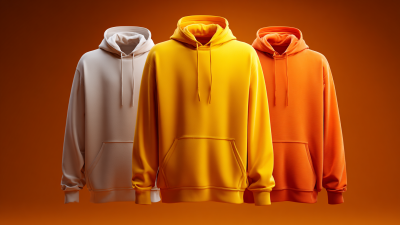
Picking the right Private Apparel is super important if you want your brand to really shine. Let’s face it, the apparel market is packed, and standing out isn’t exactly a cakewalk. With so many options out there, making a decision can feel pretty overwhelming, right?
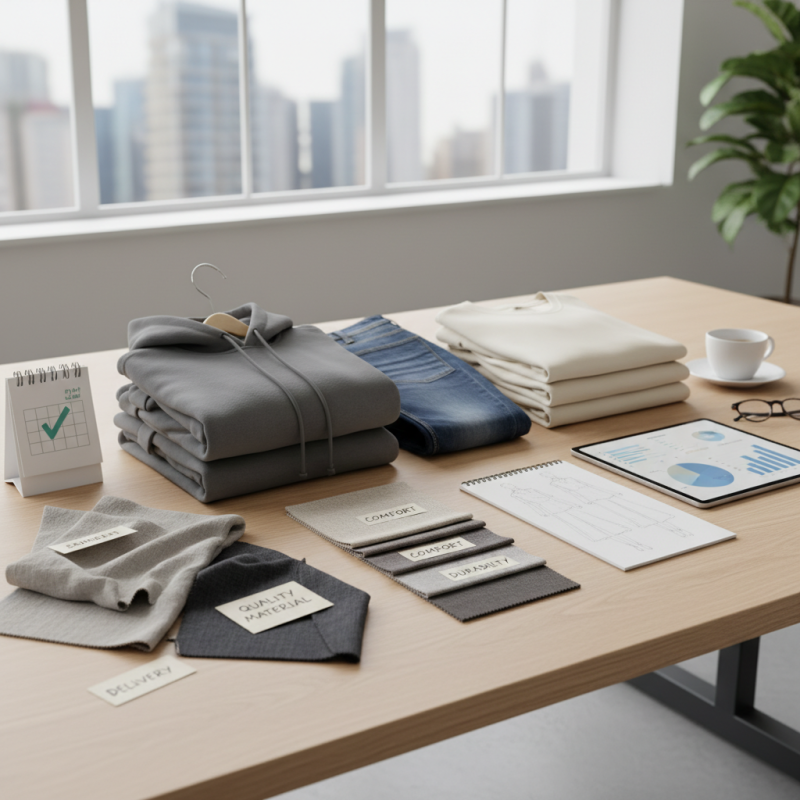
Think about the quality of the materials you’re choosing. Cheap fabric can actually harm your brand’s reputation in the long run. You want fabrics that are durable yet comfortable—stuff your customers will love. Remember, Private Apparel should really reflect what your brand stands for and what image you want to project.
Also, keep your target audience in mind. What styles are they into? You gotta tailor your choices to what appeals to them.
Don't forget to consider your budget, either. High-quality Private Apparel might cost a bit more, but honestly, it’s often worth the investment. It pays off in the end. But it’s not just about the fancy designs—reliable manufacturers who deliver on time are just as crucial. Take your time doing your homework. Learn from what other brands have tried—what worked and what didn’t.
Honestly, finding the perfect Private Apparel line is more of a journey than a quick sprint, so just breathe and take it step by step.
Understanding Your Brand Identity and Target Audience
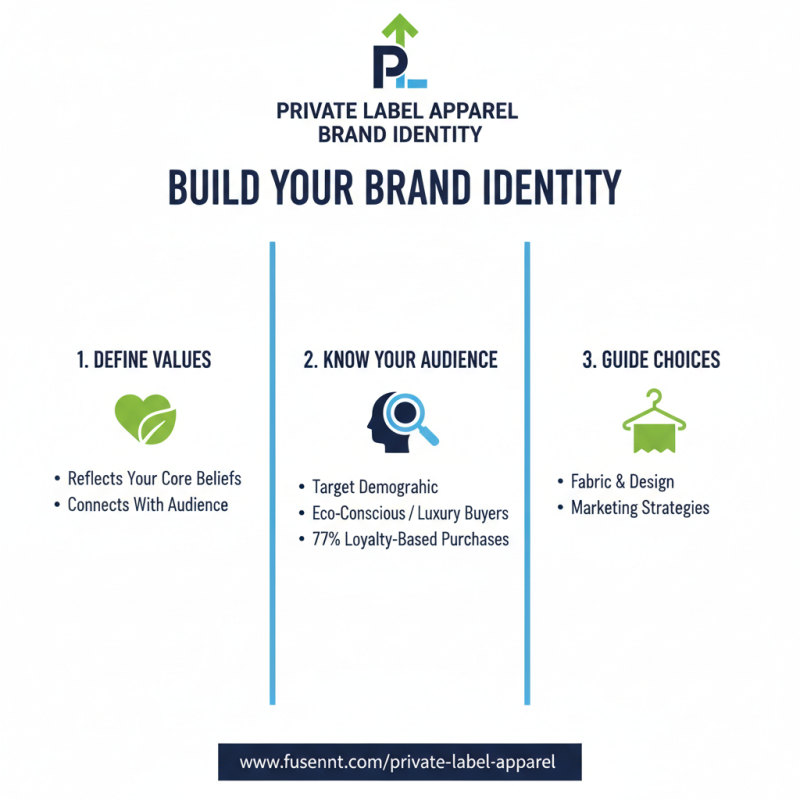
When developing your Private Label Apparel, understanding your brand identity is crucial. Your brand should reflect your values and connect with your audience. Research shows that 77% of consumers make purchases based on brand loyalty. This means you must know your target demographic well. Are you catering to young, eco-conscious shoppers or luxury buyers? Knowing this will guide your choices in fabric, design, and marketing strategies.
Tips: Create customer personas to visualize your ideal clientele. This makes it easier to align your clothing line with their preferences. Use surveys and social media polls to gather insights directly from potential customers.
Moreover, insights from industry reports reveal that 62% of consumers prefer brands that tell a story. Your Private Label Apparel should communicate a message that resonates with your audience. Think about what sets you apart from competitors. Reflect on your brand’s mission and how your apparel aligns with it.
Tips: Regularly review your brand’s message and visual identity. Adjustments might be necessary as trends change. Engage with your audience through social media to refine your brand narrative based on their feedback. Your mission should evolve, just like your consumers.
Evaluating Quality and Material Selection for Private Apparel
When selecting fabric for your private apparel, consider the type of materials that best represent your brand. Fabric choice impacts feel, durability, and overall aesthetic. Cotton is soft and breathable, while polyester is durable and moisture-wicking. Mixing materials can enhance functionality. However, be mindful of environmental implications. Sourcing sustainable fabrics can boost your brand’s image.
Quality matters just as much as fabric selection. Inspect the stitching, seams, and overall fit. A well-constructed garment reflects professionalism. Look for consistency in production, even if it means higher costs. It’s easy to overlook minor flaws, but customers notice imperfections. Always order samples to evaluate before bulk purchases.
Private Label Golf Apparel requires special attention . Golf apparel needs to be comfortable and functional. Stretchy fabrics can enhance mobility. Think about features like pockets and ventilation. These details matter on the course. Evaluate your options thoroughly to deliver a product that resonates with your target audience. Quality is a reflection of your brand, so aim high.
Exploring Design Options and Customization Features
When selecting Private Label Sports Apparel, design options play a crucial role. The market for custom fitness wear has been growing steadily, with a projected CAGR of 7.5% through 2026. This presents a significant opportunity for brands to stand out. Customization features, such as fabric selection and style choices, allow you to create apparel that resonates with your audience.
Consider incorporating unique designs and color palettes. The latest reports indicate that 70% of consumers prefer personalized apparel that reflects their individual style. This means that offering customization options is not just a trend; it’s a necessity. However, not every option may appeal to all demographics. Sometimes, less popular designs warrant reflection. Brands must analyze customer feedback diligently to ensure they are not overlooking potential preferences.
Another vital component is functionality. Performance fabrics, moisture-wicking properties, and four-way stretch can enhance the usability of Private Label Sports Apparel. Reports show that64% of customers prioritize functionality over style when choosing active wear. However, striking the right balance between practicality and aesthetic appeal can be challenging. Innovative designs must align with the needs of the target audience, pushing brands to continuously evolve their offerings.
Comparing Manufacturing Options: Domestic vs. Overseas
When deciding between domestic and overseas manufacturing, multiple factors come into play. Domestic production often offers quicker turnaround times. This can lead to faster responses to market changes. However, the cost is typically higher, which can impact your pricing strategy.
On the other hand, overseas manufacturing usually provides lower prices. Labor costs are often significantly cheaper. However, quality control can be challenging. Delays in shipping and potential communication barriers can also arise. It's crucial to weigh these factors carefully.
Building relationships with local manufacturers can streamline processes. Yet, finding the right fit might take time and effort. Overseas options might appear appealing at face value. But hidden costs can emerge. Transparency in processes is essential for any partnership. You must ensure your brand's values align with your manufacturers.
Comparing Domestic vs. Overseas Manufacturing for Private Apparel
Assessing Minimum Order Quantities and Lead Times
When choosing Private Label Fitness Apparel, understanding minimum order quantities (MOQs) is essential. Many manufacturers set their MOQs to manage production costs. Typically, these figures range from 100 to 1,000 units per style. Smaller brands might struggle to meet these requirements. A recent report noted that 30% of new brands cite MOQs as a barrier to entry.
Lead times are equally crucial. The average lead time for private label Fitness Apparel hovers around30 to 90 days. This duration can vary depending on the supplier and complexity of designs. Brands often overlook this factor. If product launches coincide with seasonal trends, delays can be detrimental. Some brands have experienced significant revenue losses due to timing issues.
Furthermore, consider the implications of running out of stock. A 2023 survey highlighted that 20% of consumers abandon brands due to stockouts. Being mindful of these aspects can help in strategizing better.
Balancing MOQs and lead times can lead to smarter inventory management. Recognizing these factors may refine your approach to private label fitness apparel, ultimately aiding in sustained growth.
Examining Pricing Structures and Cost Management Strategies
Understanding pricing structures is essential for any brand in the private apparel sector. Recent data shows that nearly 70% of brands struggle with cost management. This often leads to reduced profit margins and potential financial strain. A deep dive into fabric costs reveals that premium materials can account for over 50% of product expenses. Brands must balance quality with affordability.
Cost management strategies play a crucial role. For instance, utilizing local suppliers can reduce shipping costs significantly. A report found that brands that optimize their sourcing save up to 30% annually. However, not all cost-cutting measures yield positive outcomes. Reducing product quality to save money can hurt brand reputation. Brands often underestimate the long-term effects of such choices.
It's important to regularly review pricing structure. Customize your products based on market research. Brands need to adapt quickly to changing consumer demands. In a rapidly evolving market, flexibility is key. Investing in technology for inventory management can also streamline costs. Learn from industry leaders, but remember, not every strategy suits every brand. Reflection and adjustment are vital for sustained success.
How to Choose the Best Private Apparel for Your Brand? - Examining Pricing Structures and Cost Management Strategies
| Apparel Type | Average Cost per Unit ($) | Minimum Order Quantity | Lead Time (Weeks) | Preferred Materials | Customization Options |
| T-shirts | 8.50 | 100 | 4 | Cotton, Polyester | Screen Printing, Embroidery |
| Hoodies | 25.00 | 50 | 6 | Fleece, Cotton Blends | Color Choices, Logo Placement |
| Activewear | 22.00 | 80 | 5 | Moisture-Wicking Fabrics | Personalized Fit, Pattern Designs |
| Caps | 12.00 | 150 | 3 | Cotton, Mesh | Embroidered Logos, Color Options |
| Jackets | 35.00 | 30 | 7 | Waterproof Fabrics | Custom Fits, Linings |
Identifying Ethical and Sustainable Practices in Apparel Production
When selecting private apparel, ethical and sustainable practices are crucial. Start by assessing the materials used. Organic cotton and recycled fabrics are better for the planet. Avoid materials that harm the environment. You might find these options slightly more expensive, but the quality often outweighs the cost.
Next, consider the production process. Look for factories that pay fair wages and provide safe working conditions. Transparency is key. Brands that offer information about their production lines promote trust. Sometimes, brands may exaggerate their commitment to sustainability. Question their claims and seek independent verification.
Finally, think about the lifecycle of the garments. Fast fashion produces waste, while durable items reduce consumption. Aim for pieces that last. Every decision contributes to a more sustainable future. Reflect on the choices available. It is vital to balance style, function, and ethics in your apparel selections.
FAQS
: Your brand identity reflects your values and connects with your audience, influencing their purchasing decisions.
Develop customer personas and use surveys or social media polls to gather insights about potential customers.
Consumers prefer brands that tell a story, as it helps your products resonate with them on a personal level.
Offering personalized options allows consumers to express their style, making your products more appealing to them.
Assess costs, turnaround times, quality control, and communication challenges when choosing between domestic and overseas manufacturing.
While consumers value functionality, innovative designs must still appeal to aesthetic preferences for better market position.
Yes, regularly review your brand message and visuals, adjusting them based on consumer feedback and market trends.
Establish transparency in processes and build relationships with manufacturers to improve communication and quality control.
Analyzing customer feedback on these designs may reveal overlooked preferences that could enhance your apparel offerings.
Your mission should evolve along with your consumers and trends to stay relevant in the competitive market.
Conclusion
Choosing the best private apparel for your brand involves a comprehensive understanding of several key factors. First, it's essential to grasp your brand identity and target audience to ensure your apparel resonates with the right customers. Evaluating the quality and material selection is critical, as it directly impacts the perception of your brand. Moreover, exploring design options and customization features allows for unique offerings that can differentiate your products in a competitive market.
Manufacturing decisions, whether domestic or overseas, significantly influence quality, cost, and lead times. It’s important to assess minimum order quantities and consider pricing structures to effectively manage costs. Additionally, applying ethical and sustainable practices in apparel production not only enhances brand image but also meets the growing consumer demand for responsible sourcing. Ultimately, a thoughtful approach to these aspects will help in selecting the best private apparel that aligns with your brand vision and meets market needs.