In the constantly changing world of fashion, Private Label Clothing has really become a game-changer for a lot of businesses out there. I mean, John Smith, who’s pretty well-known in the apparel world, once said, 'Private label products give retailers a way to stand out and target those unique market segments.' And honestly, that really hits the nail on the head when you think about how important private labeling has become in today’s fierce competition.
A ton of entrepreneurs and retailers have started looking towards China to get their private label clothing made. The options there are pretty extensive—everything from top-notch fabrics to super creative designs. But, let’s be honest, navigating all that isn’t always a walk in the park. Not every supplier is reliable, and quality isn’t always guaranteed. So, it’s really important to be cautious and choose your partners wisely.
Getting private labeling right is really about building your brand while keeping costs in check. Customers aren’t just after good quality—they want something unique and original, too. To truly stand out, brands need to reflect their core values through their clothing lines. As the market keeps growing, so does the challenge of staying genuine and true to your brand. It’s all about finding that balance between following trends and showing off what makes your brand special—because at the end of the day, creating real connections with your customers is what counts the most.

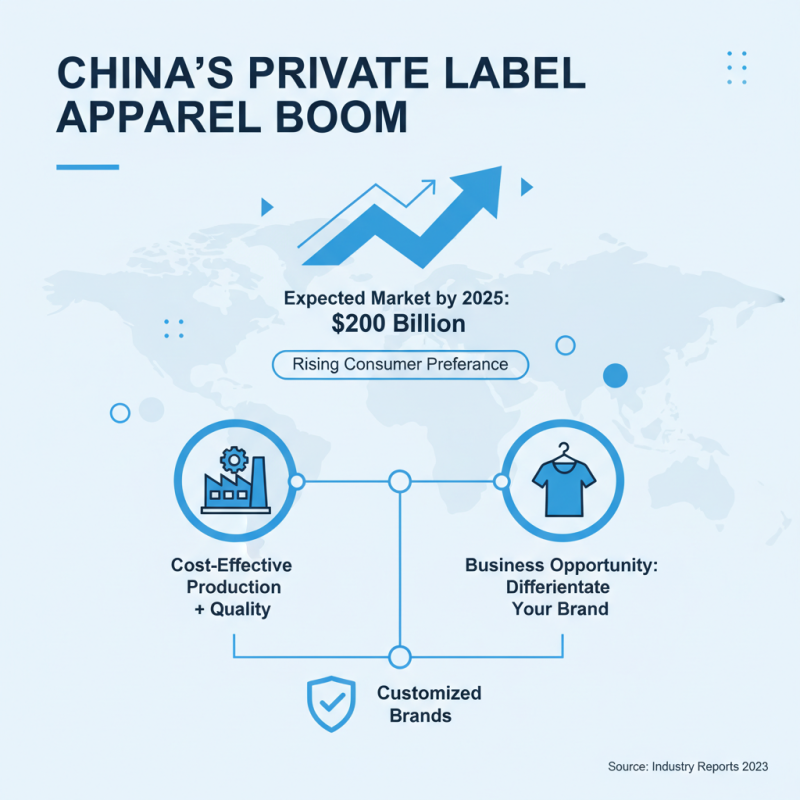
Private label clothing in China offers vast opportunities for businesses. It allows for cost-effective production without sacrificing quality. According to recent reports, the Private Label Apparel market is expected to reach $200 billion by 2025. This growth highlights a rising consumer preference for customized brands. Many companies now opt for private label to differentiate their offerings.
Sourcing clothing from China provides a competitive edge. The country is known for its efficient manufacturing and advanced technology. Suppliers often offer low minimum order quantities, which is ideal for small businesses. However, navigating quality control can be tricky. Some manufacturers might not meet the expected standards. As a business, you must ensure rigorous quality checks. It is essential to develop strong relationships with suppliers to minimize risks.
Moreover, understanding market trends is crucial. Reports indicate that eco-friendly materials are gaining traction. Consumers are becoming more environmentally conscious. Brands need to adapt their sourcing strategies. However, integrating sustainable practices may come with higher costs. This aspect often requires reflection on profit margins. Balancing cost and quality while meeting consumer demands is no small feat.
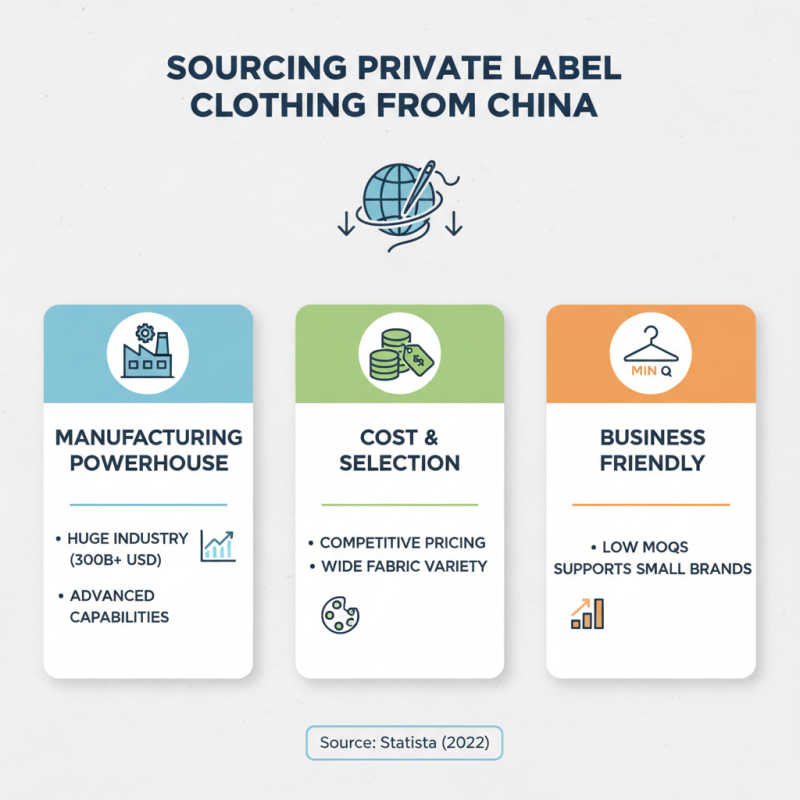
Sourcing private label clothing from China presents many advantages for businesses. The country is known for its robust manufacturing capabilities. According to a report by Statista, the clothing industry in China was valued at over 300 billion USD in 2022. This scale leads to competitive pricing and a wide selection of fabrics. Many manufacturers offer low minimum order quantities, which is helpful for small businesses.
When sourcing, quality control is crucial. Not all factories maintain high standards. Conducting factory audits can mitigate risks and ensure you receive quality garments. It’s essential to communicate your specifications clearly to avoid misunderstandings.
Tip: Consider visiting factories or trade shows to see samples in person. This can help establish relationships and trust. Additionally, ask for references from other clients to verify the manufacturer's reliability. Remember, while costs are important, overlooking quality can result in more significant losses down the line. Balancing cost and quality requires careful consideration.
When choosing a supplier for Private Label Mens Clothing, several critical factors are essential. Quality is paramount. According to a 2022 industry report, 45% of consumers return items due to poor quality. It’s crucial to evaluate fabric types and stitching quality before placing large orders. Remember, even slight flaws can lead to significant losses.
Pricing structure is another pivotal aspect. A recent analysis indicated that 30% of businesses fail to account for hidden costs. Shipping fees and customs duties can inflate expenses unexpectedly. Transparency in pricing from suppliers helps prevent budget overruns.
Finally, communication styles matter greatly. A 2023 survey showed that 60% of successful partnerships had active communication. Suppliers should be responsive and willing to address concerns effectively. If they are uncommunicative, it could signal future problems. All these factors contribute to a reliable partnership that can grow your Private Label Mens Clothing business.
This bar chart illustrates the average cost of various private label clothing options available from suppliers in China. This information is crucial for businesses looking to make informed decisions when selecting a supplier for their private label needs.
When exploring the landscape of private label clothing in China, several wholesale markets stand out. These markets are vibrant hubs, bustling with designers, manufacturers, and entrepreneurs. Each market offers a unique blend of styles and opportunities. One popular destination is Guangzhou, known for its vast collection of clothing options. It can be overwhelming. Small stalls line the streets, showcasing everything from casual wear to high-end pieces.
Another notable place is Yiwu. Yiwu hosts a massive marketplace, perfect for sourcing items for a Private Label Clothing Line. The sheer variety can be impressive yet daunting. You may find countless styles, but quality can vary greatly. It’s crucial to inspect samples carefully. Take time to build relationships with suppliers. This can lead to better pricing and exclusive designs.
Shenzhen follows suit as a tech-savvy city that boasts innovative designs in fashion. Here, the latest trends often emerge. However, competition can be intense. Newcomers might struggle to find their niche. It’s essential to do thorough market research. Keep an eye on emerging styles and customer preferences. This can lead to informed decisions when creating your Private Label Clothing Line.
When exploring options for private label clothing, fabric choice is crucial. Different materials evoke different feelings. Cotton stands out for its softness and breathability. It’s perfect for casual wear. But, it might not always hold shape well. Consider this before bulk production.
Another popular option is polyester. It’s durable and often used in Fitness Clothing Private Label lines. Polyester dries quickly, making it ideal for activewear. However, it may not feel as soft against the skin. Testing several samples can help determine the best fit for your brand.
For a premium feel, look into bamboo fabric. It’s eco-friendly and has natural antibacterial properties. While it can be pricier, your customers may appreciate the quality. But remember, sourcing can become complex. Always review the supply chain before committing.
Tips: Research each fabric’s durability. Understand how they wash and wear. Consider blending fabrics for unique textures. Your choices affect brand perception. Ensure each material aligns with your vision.
When sourcing Private Label Women's Clothing, finding reliable manufacturers is key. China boasts a plethora of suppliers with varied offerings. It's essential to do thorough research before making a decision. Many businesses overlook the importance of quality checks. This can lead to unsatisfactory products and lost customers.
Tips: Always request samples. This helps you gauge the material and craftsmanship. Some manufacturers may promise high quality but deliver subpar items. Having a selection of samples to test can save you money and headaches later.
Communication is crucial in this process. Clear instructions and expectations can prevent misunderstandings. Many suppliers may claim to understand your needs but fail to deliver. It’s vital to continuously check in on the production process and be ready to provide feedback. Remember, not all suppliers will meet your standards.
Tips: Consider establishing a long-term partnership. Building relationships with trusted manufacturers can simplify future orders. Consistent communication and collaboration often lead to better products over time. Your business thrives on reliability, so invest time in these connections.
Launching a private label clothing line can be challenging yet rewarding. Focus on identifying your target market. Understanding customer preferences is key. Research trends and demographics before selecting designs. This knowledge will shape your product offerings and marketing strategies.
Choosing the right manufacturer is crucial. Look for quality and reliability. Communication gaps can lead to misunderstandings. Sample products to evaluate craftsmanship and fabric quality. Don't rush this process. Mistakes can be costly and affect brand reputation. Prepare to adjust your designs based on feedback.
Marketing your brand effectively requires creativity. Social media is a powerful tool. Engaging visuals and relatable storytelling attract customers. Collaborate with influencers to increase visibility. Be mindful; building a brand takes time. Consistency is essential, as is responding to customer inquiries promptly. Reflect on your strategies regularly to ensure growth and improvement.
: The product aims to enhance daily activities. It provides assistance in various tasks effectively.
Anyone can use it. Particularly, people who seek efficiency in routine tasks will find it useful.
There are no strict age limits. However, younger users may need guidance for safety reasons.
The longevity varies based on usage. Regular maintenance can extend its lifespan significantly.
First, check the power source or battery. If issues persist, consult the user manual or seek help.
Yes, it is designed for both indoor and outdoor use. However, extreme conditions might affect performance.
It uses durable materials. The design ensures it withstands standard wear and tear.
Users should exercise caution. Potential hazards exist with incorrect usage or neglecting maintenance.
Regular cleaning and proper usage will enhance performance. Avoid overloading or misuse.
Yes, a warranty is typically offered. It covers defects but has certain terms and conditions.
The article "Top China Wholesale Private Label Clothing Options For Your Business" offers a comprehensive overview of the private label clothing sector in China. It begins by explaining what private label clothing entails and highlights the advantages of sourcing such products from China, including cost-effectiveness and diverse options. Key factors for selecting an appropriate supplier are discussed, emphasizing the importance of quality, reliability, and communication.
Additionally, the article explores leading wholesale markets for private label clothing in China and outlines popular fabrics and materials used in the industry. To assist businesses in their endeavors, it lists trusted manufacturers and suppliers. Finally, the article provides essential tips for launching a private label clothing line, ensuring that entrepreneurs can navigate this market successfully and meet their business needs effectively.