Lately, it seems like more and more women are into custom-made Bespoke Women's Clothes. It’s like everyone’s really starting to appreciate having pieces that fit just right and express their personal style. I came across a report from the Global Apparel Forecast, and it says this market is actually expected to grow by around 8.3% each year over the next five years. A big reason? People just want fashion that’s one-of-a-kind and tailored to them. Brands like Nantong Fuquan Industry and Trade Co., Ltd. are really leading the charge here, creating stylish, comfy, and high-quality outfits that cater to all sorts of tastes.
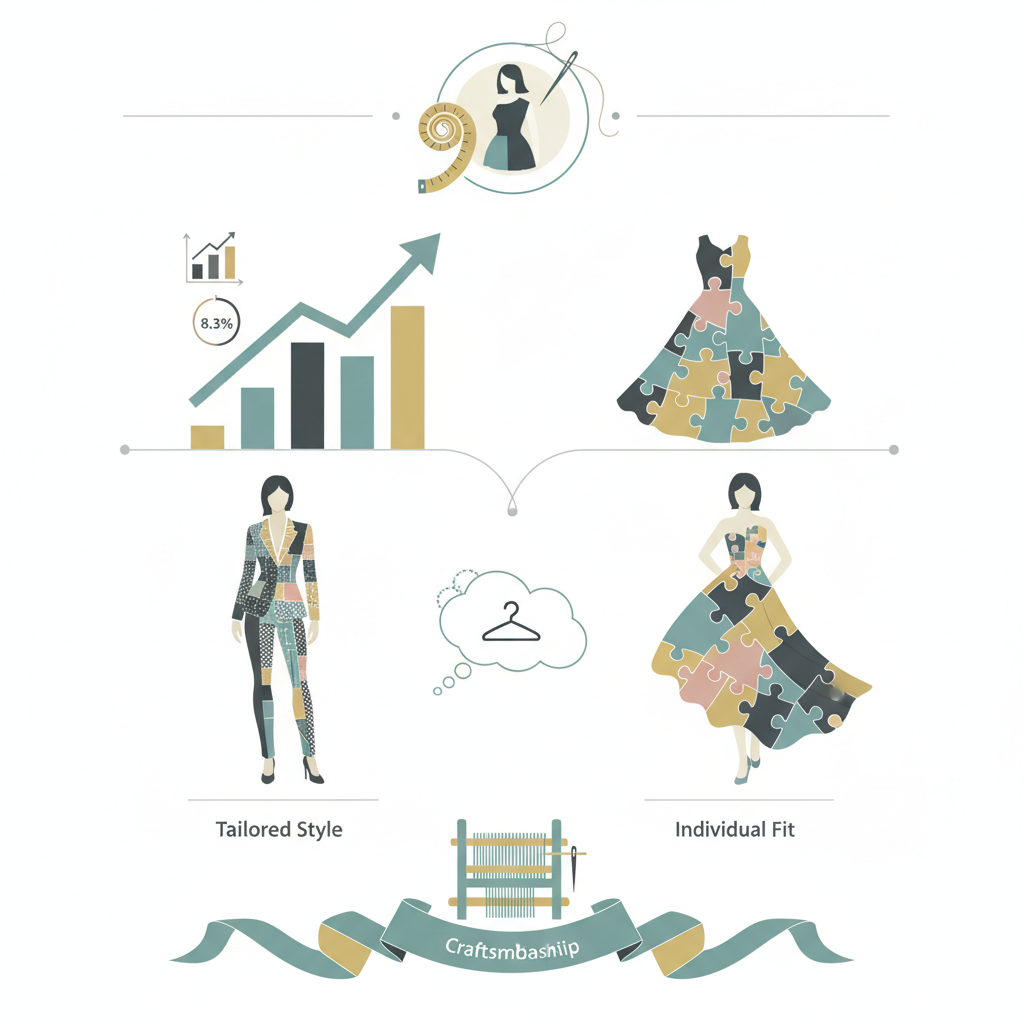
Dr. Emily Carter, who’s a pretty big deal in the bespoke fashion world, mentioned that “The future of women’s clothing is all about personalization.” She believes every woman should have a piece that not only fits perfectly but really reflects her personality. It’s a message that resonates with companies like Nantong Fuquan, who are trying to blend the idea of mass production with personalized, quality pieces. As the whole custom women’s wear scene keeps growing, it’s super important for brands to keep innovating while staying true to the craftsmanship and individuality that make bespoke fashion so special.
Understanding Bespoke Clothing: Definition and Importance
Bespoke Clothing refers to custom-made garments that are tailored specifically to an individual's measurements and preferences. Unlike off-the-rack clothing, bespoke pieces are crafted to ensure a perfect fit, allowing for personal adjustments in style, fabric, and design. This attention to detail not only enhances the overall appearance but significantly improves comfort. According to a report by Allied Market Research, the global bespoke apparel market is projected to reach $1.3 billion by 2027, growing at a CAGR of 5.1% from 2020. This trend reflects a growing consumer demand for individualized fashion that expresses one’s unique identity.
The importance of bespoke clothing extends beyond aesthetics; it promotes sustainability within the fashion industry. By investing in quality, tailored garments, consumers can reduce the frequency of purchases and waste associated with fast fashion. A study by the Ethical Fashion Initiative highlighted that bespoke clothing often employs fewer resources and supports local artisans, fostering ethical practices. As bespoke fashion gains traction, it reinforces the notion that style is not just about looking good, but also about making conscientious choices that impact the environment and community.
Key Features of Bespoke Womenswear: Craftsmanship and Materials
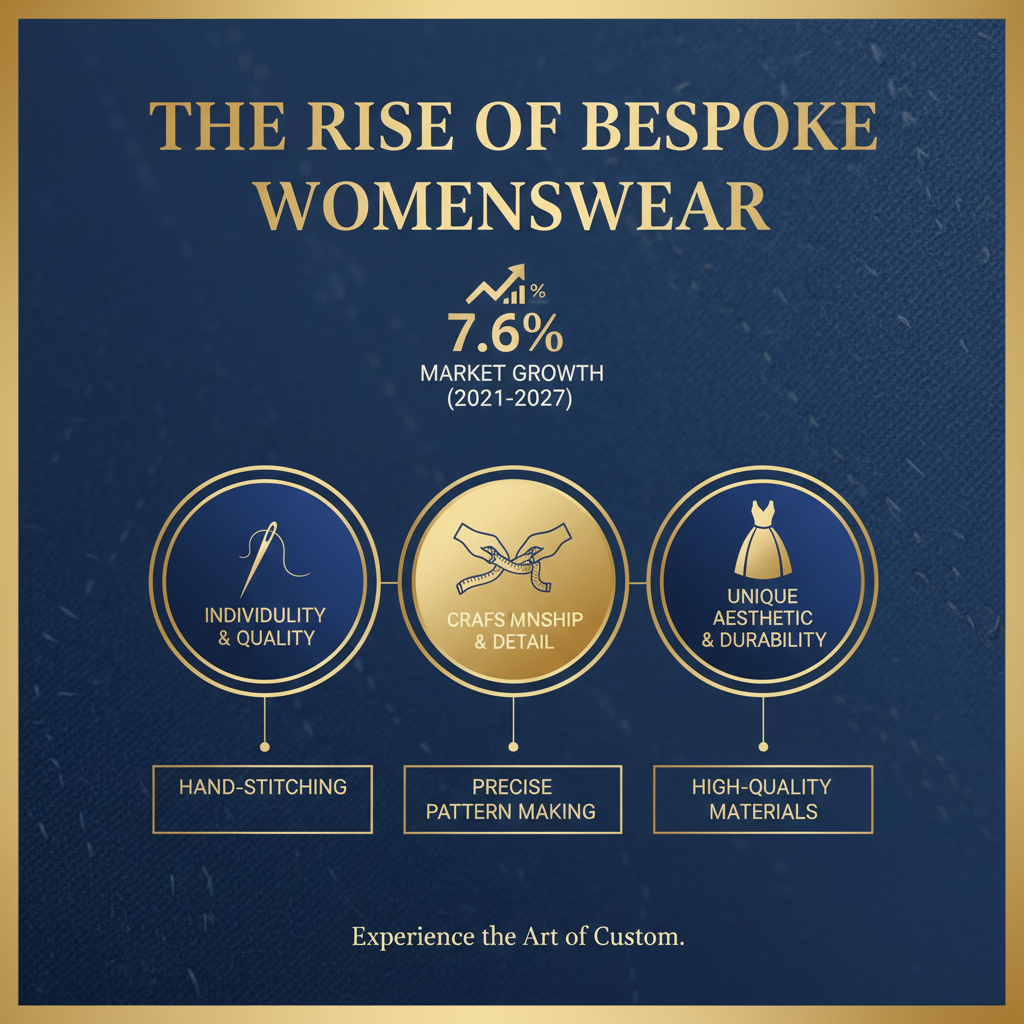
Bespoke womenswear has gained significant traction in the fashion industry, driven by an increasing demand for individuality and quality. Craftsmanship is at the heart of this movement; according to a report by the Global Industry Analysts, the bespoke clothing market is expected to grow by 7.6% from 2021 to 2027. This growth is attributed largely to the meticulous attention to detail and skill that artisans put into each piece. Techniques such as hand-stitching, precise pattern-making, and the use of high-quality materials ensure that bespoke garments offer not only a unique aesthetic but also durability and comfort.
Materials play a crucial role in the bespoke experience. Many designers prioritize sourcing sustainable fabrics, responding to the growing consumer preference for eco-friendly options. Reports indicate that approximately 66% of consumers are willing to pay more for sustainable fashion. This shift signifies a broader trend within bespoke womenswear, where luxury merges with ethical practice. From fine silks to organic cottons, the choice of materials enhances the overall quality and feel of bespoke clothing, making each piece not just a garment, but a cherished investment.
Top Designers in Bespoke Womenswear: Innovators and Influencers
The bespoke womenswear market has seen significant growth in recent years, driven by a demand for personalized designs that reflect individual identity and style. According to a report by Allied Market Research, the global bespoke clothing market is projected to reach $2.5 billion by 2027, with a compound annual growth rate (CAGR) of 6.9% from 2020 to 2027. This growth is largely attributed to the influence of top designers who are redefining the landscape of tailored clothing for women, bringing innovation and sustainability to the forefront.
Prominent designers like Stella McCartney and Gabriela Hearst are leading the charge, emphasizing the importance of ethical production alongside exquisite craftsmanship. Their unique approaches not only cater to personal aesthetics but also consider the environmental impact, aligning with the values of today's conscious consumers. A survey by Fashion Retail Academy found that 72% of women prefer brands that practice ethical sourcing, illustrating the growing influence of these innovators in shaping market trends. As bespoke womenswear continues to flourish, these designers are not just creating clothing; they are instilling a new paradigm of fashion that prioritizes individuality and environmental responsibility.
10 Best Bespoke Womens Clothes for Tailored Style and Unique Fit
The Tailoring Process: Steps to Achieve a Perfect Fit
The tailoring process is essential for achieving a perfect fit, which begins with understanding the client's specific measurements and preferences. A skilled tailor, like those found in the flourishing bespoke fashion industry, will carefully assess the individual's body shape and proportions to create a custom pattern. This initial step ensures that every garment is designed with the wearer’s unique silhouette in mind, allowing for adjustments that enhance comfort and style.
Once the pattern is established, the tailor proceeds to select appropriate fabrics that complement the client's style and the intended use of the garment. Throughout the construction phase, meticulous attention is paid to each detail, from stitching techniquesto the finishing touches. This careful craftsmanship not only results in a piece that fits flawlessly but also reflects the personal style of the wearer. With bespoke Women's Clothing gaining popularity, tailored garments provide an opportunity to expressindividuality, ensuring that each outfit stands out while conforming perfectly to the body.
Styling Tips for Bespoke Clothing: How to Accessorize and Pair
When it comes to bespoke women's clothing, the right accessories can elevate your tailored style to new heights. According to a report by McKinsey & Company, personalized fashion is growing rapidly, with bespoke clothing becoming a $3 billion market in the U.S. alone. To harness the potential of tailor-made pieces, understanding how to accessorize effectively is crucial.
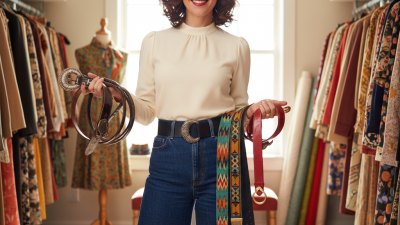
One key tip is to focus on balance. If you have a structured, tailored jacket, consider pairing it with softer, flowing accessories such as a silk scarf or delicate jewelry to create a visual contrast. This not only adds depth to your outfit but also enhances the unique fit of your bespoke pieces. Additionally, incorporating statement accessories like a bold handbag or oversized sunglasses can draw attention to your overall look while complementing your attire.
Another effective strategy is layering textures. For instance, pairing a fitted blazer with a chunky knit sweater can provide a sophisticated yet comfortable style. According to a survey by The Business of Fashion, nearly 54% of customers prefer tailored styles that can be dressed up or down, making versatility a must. Remember, the right accessories can transform your bespoke garments from day to night, reflecting your personal style while maximizing their distinctive fit.
Sustainable Practices in Bespoke Fashion: Ethics and Environmental Impact
The bespoke fashion industry has increasingly focused on sustainable practices, addressing both ethical considerations and environmental impacts. By opting for bespoke clothing, consumers can significantly reduce waste associated with mass production. Each piece is crafted individually, utilizing only the necessary materials, which minimizes excess fabric and the environmental burden that comes with it. Moreover, bespoke garments are designed to endure, promoting longevity over fast fashion trends and encouraging a more responsible approach to wardrobe choices.
Ethically, bespoke fashion empowers local artisans and skilled craftsmen, providing fair wages and working conditions. This shift supports local economies and helps preserve traditional crafting techniques, which are often overshadowed in a factory-driven model. By investing in tailored pieces, individuals contribute to a more sustainable fashion ecosystem, which prioritizes quality over quantity. As awareness grows around the environmental impact of clothing production, bespoke fashion stands out as a thoughtful and responsible choice, blending style with a commitment to sustainability.
Investing in Bespoke Womens Clothes: Value and Longevity
Investing in bespoke women's clothing is more than just a fashion statement; it's a commitment to quality and longevity. Bespoke garments, tailored specifically to fit individual measurements and preferences, offer an unmatched level of comfort and style. According to industry reports, custom clothing can last up to five times longer than off-the-rack options, offering true value for your investment. Brands specializing in bespoke services provide a unique combination of craftsmanship and personalized design, ensuring that every piece not only complements your body but also reflects your personal style.
When considering bespoke options, it's essential to keep a few tips in mind. First, choose a reputable tailor who understands your vision and can guide you through the fabric selection process. High-quality materials not only enhance durability but also improve overall aesthetics. Additionally, think about versatility; selecting classic styles can provide a solid foundation for various occasions, making your investment even more worthwhile.
As you explore the world of bespoke fashion, remember that the right fit is crucial. A well-fitted garment enhances your silhouette, boosts your confidence, and makes a lasting impression. Whether for professional settings or special events, bespoke clothing will stand the test of time, solidifying your wardrobe as a long-term asset that never goes out of style.
10 Best Bespoke Womens Clothes for Tailored Style and Unique Fit
| Item | Material | Customization Options | Price Range | Estimated Delivery Time |
| Tailored Blazer | Wool Blend | Color, Fit, Lining | $500 - $900 | 6-8 weeks |
| Custom Evening Gown | Silk Satin | Neckline, Sleeve Length, Train | $1000 - $2500 | 8-12 weeks |
| Bespoke Trousers | Cotton Twill | Cut, Waistband Style | $300 - $600 | 4-6 weeks |
| Personalized Coat | Cashmere Blend | Length, Collar Style | $800 - $1500 | 6-10 weeks |
| Customizable Dress | Linen Blend | Silhouette, Length, Print | $400 - $800 | 5-7 weeks |
FAQS
: Bespoke womenswear refers to customized clothing tailored specifically to an individual's measurements and preferences, offering a unique aesthetic and improved fit compared to off-the-rack options.
Craftsmanship is crucial in bespoke womenswear as it involves meticulous attention to detail, skilled artisanship, and techniques like hand-stitching, which contribute to the quality, durability, and comfort of each garment.
Bespoke fashion promotes sustainability by reducing waste associated with mass production, using only necessary materials, creating garments designed to last, and supporting local artisans, thereby minimizing environmental impact.
Common materials in bespoke womenswear include fine silks, organic cottons, and other sustainable fabrics, chosen for their quality and feel, which enhance the overall garment experience.
Consumers are often willing to pay more for bespoke clothing due to the high-quality craftsmanship, personalized fit, unique style, and sustainable practices that underscore the value of bespoke garments.
Bespoke garments can last up to five times longer than off-the-rack options, making them a more valuable investment for long-term wear.
When investing in bespoke clothing, it's important to choose a reputable tailor, select high-quality materials, consider versatile styles, and ensure a proper fit for maximum comfort and longevity.
Bespoke fashion supports local economies by providing fair wages and working conditions for artisans and craftsmen, helping to preserve traditional skills and craftsmanship often lost in mass production.
Bespoke fashion encourages consumers to adopt a more responsible approach to wardrobe choices by prioritizing quality over quantity and promoting longevity through tailored garments that suit their individual styles.
Conclusion
Bespoke Womens Clothes represent the pinnacle of personalized fashion, combining superior craftsmanship with luxurious materials to achieve a unique fit tailored specifically to each individual. Understanding the significance of bespoke clothing extends beyond aesthetics; it emphasizes the importance of quality and individuality in one's wardrobe. The tailoring process involves meticulous steps that ensure the garment not only fits perfectly but also complements the wearer’s style.
Moreover, notable designers in bespoke womenswear are continuously innovating, transforming traditional techniques into modern expressions of art. Sustainable practices are increasingly vital in this realm, highlighting the ethical and environmental responsibilities of the fashion industry. Investing in bespoke womens clothes is not just about purchasing a garment; it's about acquiring a timeless piece that offers both value and longevity, making it a worthwhile addition to any discerning fashionista's collection.